




Introduction
Choosing between EPDM rubber strips and neoprene for ship sealing? As a leader in rubber technology since 1986, Hebei Weizhong explains the key differences in performance, durability, and cost-effectiveness. Discover why high-quality EPDM rubber strips are often the superior choice for marine applications, offering exceptional weather resistance and longevity. Perfect for technical evaluators and operators seeking reliable sealing solutions.
Definition and Overview
EPDM (Ethylene Propylene Diene Monomer) and neoprene are two of the most commonly used rubber materials in marine sealing applications. EPDM rubber strips are renowned for their excellent resistance to weathering, ozone, and UV radiation, making them ideal for prolonged exposure to harsh marine environments. Neoprene, on the other hand, is a synthetic rubber known for its good mechanical properties and resistance to oils and chemicals. Both materials have their unique advantages, but the choice between them depends on specific application requirements and environmental conditions.
Comparison Analysis
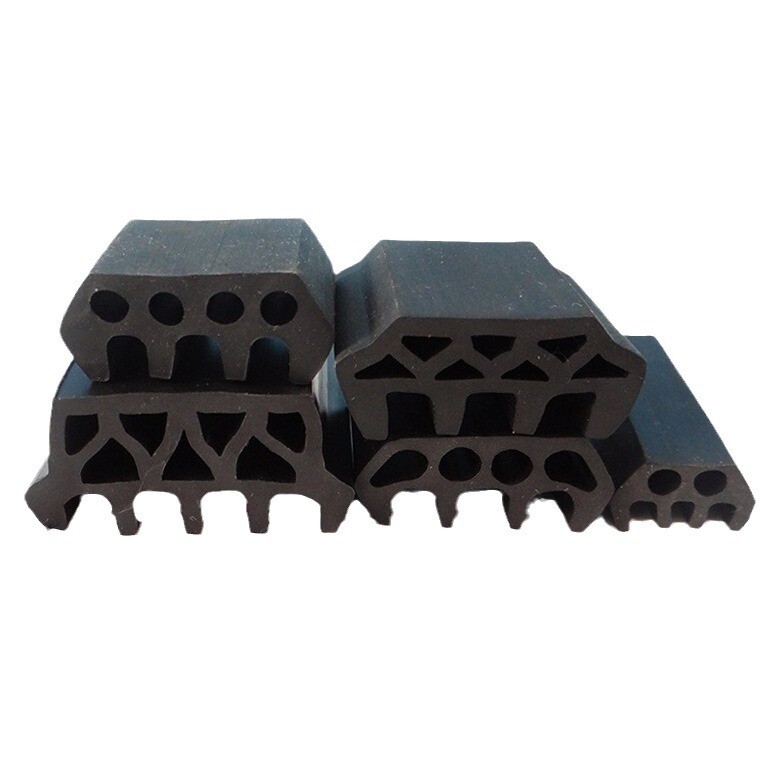
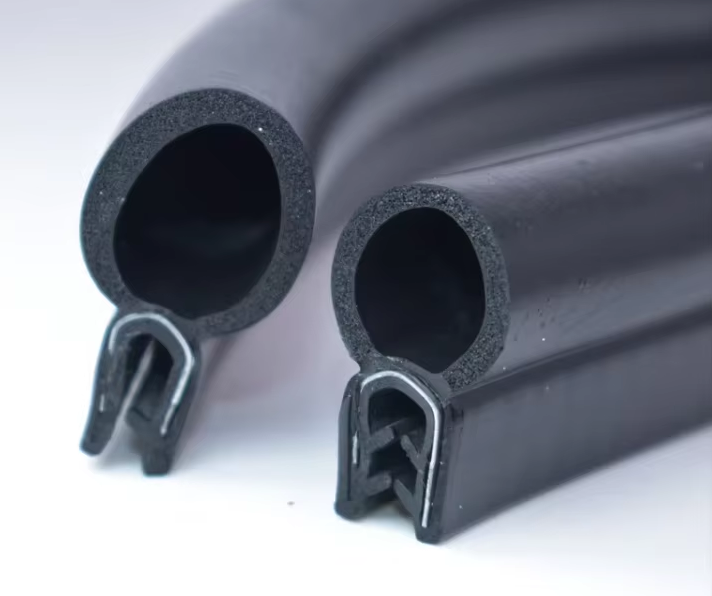
When comparing EPDM rubber strips and neoprene for ship sealing, several factors come into play. EPDM excels in weather resistance, maintaining its elasticity and sealing properties even under extreme temperature fluctuations (-40°C to +120°C). Neoprene, while durable, tends to degrade faster under prolonged UV exposure. In terms of cost-effectiveness, EPDM often proves to be the better long-term investment due to its extended lifespan and lower maintenance requirements. For applications requiring waterproof and rainproof sealing strips, Waterproof and rainproof sealing strips made from high-quality EPDM are highly recommended.
Technical Performance
The technical specifications of EPDM and neoprene highlight their distinct performance characteristics. EPDM rubber strips typically exhibit a tensile strength of 10-15 MPa and an elongation at break of 300-600%, ensuring flexibility and durability. Neoprene, with a tensile strength of 15-25 MPa, offers better resistance to mechanical stress but falls short in UV and ozone resistance. EPDM's low compression set (20-30%) ensures a tight seal over time, whereas neoprene's higher compression set (30-40%) may lead to seal failure in demanding marine environments.
Application Scenarios
EPDM rubber strips are widely used in ship sealing applications such as hatch covers, windows, and doors, where long-term weather resistance is critical. Neoprene is often preferred for gaskets and seals in engine compartments, where resistance to oils and fuels is paramount. However, for general marine sealing needs, high-quality EPDM rubber strips provide a more versatile and reliable solution. Hebei Weizhong Rubber Technology, with decades of expertise, offers customized EPDM solutions tailored to specific marine requirements.
Why Choose Hebei Weizhong?
Since 1986, Hebei Weizhong Rubber Technology has been a trusted name in the rubber industry, specializing in EPDM reclaimed rubber R&D, production, and sales. Our high-quality, reliable, and economical rubber materials are designed to meet the rigorous demands of marine applications. Whether you need standard EPDM rubber strips or custom solutions, our team is ready to assist. Contact us today for professional advice and tailored rubber sealing solutions that stand the test of time.
Leave A Message
If you are interested in our products and want to know more details, please leave a message here, we will reply you as soon as we can.