




When selecting sealing strips for harsh marine environments, choosing between EPDM and silicone materials is critical for long-term performance. As a trusted Transportation Sealing Strips supplier with over 35 years of expertise, Hebei Weizhong Rubber Technology provides valuable insights to help business evaluators and decision-makers make informed choices. This comparison examines durability, weather resistance, and cost-effectiveness of both materials in demanding marine applications.
Material Properties: EPDM vs. Silicone
EPDM (Ethylene Propylene Diene Monomer) and silicone rubber are both elastomers with distinct chemical structures that determine their performance in marine environments. EPDM is a saturated hydrocarbon rubber with excellent resistance to weathering, ozone, and UV radiation – critical factors for marine applications. Its molecular structure provides superior water resistance, making it ideal for sealing applications where prolonged exposure to seawater is expected. Silicone, on the other hand, is an inorganic polymer with a backbone of alternating silicon and oxygen atoms. This structure gives silicone exceptional thermal stability but makes it more permeable to water vapor compared to EPDM.
Performance Comparison in Marine Conditions
In saltwater exposure tests conducted by marine equipment manufacturers, EPDM sealing strips consistently outperform silicone in several key metrics. EPDM maintains its elasticity and sealing properties after 5+ years of continuous saltwater immersion, while silicone shows signs of surface degradation and compression set. The temperature range for EPDM (-40°C to +120°C) covers most marine applications, though silicone extends to higher temperatures (-60°C to +230°C). However, for deck seals, hatch covers, and porthole gaskets – where extreme high temperatures are rare – EPDM's balanced performance profile makes it the preferred choice among naval architects.
Cost Analysis and Lifecycle Considerations
Business evaluators must consider total cost of ownership when comparing these materials. While silicone sealing strips typically cost 30-50% more than EPDM equivalents, the real differentiator lies in lifecycle performance. Our case study with a Mediterranean cruise operator showed EPDM gaskets lasting 7-10 years versus 4-6 years for silicone in identical applications. When factoring in replacement labor costs and vessel downtime, EPDM delivered 42% lower total cost over a 15-year period. For budget-conscious operators, we offer high-performance Garbage Truck Compactor Sealing Strip solutions that apply similar material science principles to marine applications.
Industry Standards and Certification
Both materials meet critical marine industry standards, but with different emphases. EPDM compounds used in our Transportation Sealing Strips comply with:
- ASTM D2000 (Rubber Materials Classification System)
- MIL-R-6850 (Military Specification for Rubber Sheets)
- DNV GL Type Approval for Marine Equipment
Silicone meets many of the same standards but often requires special formulations to achieve comparable saltwater resistance. Our R&D team can customize EPDM formulations to exceed specific performance requirements while maintaining cost efficiency.
Why Choose Hebei Weizhong for Marine Sealing Solutions
With 35+ years specializing in EPDM technology, we bring unmatched expertise to marine sealing challenges. Our proprietary compounding processes enhance EPDM's natural marine resistance while maintaining flexibility at low temperatures. Unlike generic suppliers, we:
- Offer material testing reports from independent marine certification bodies
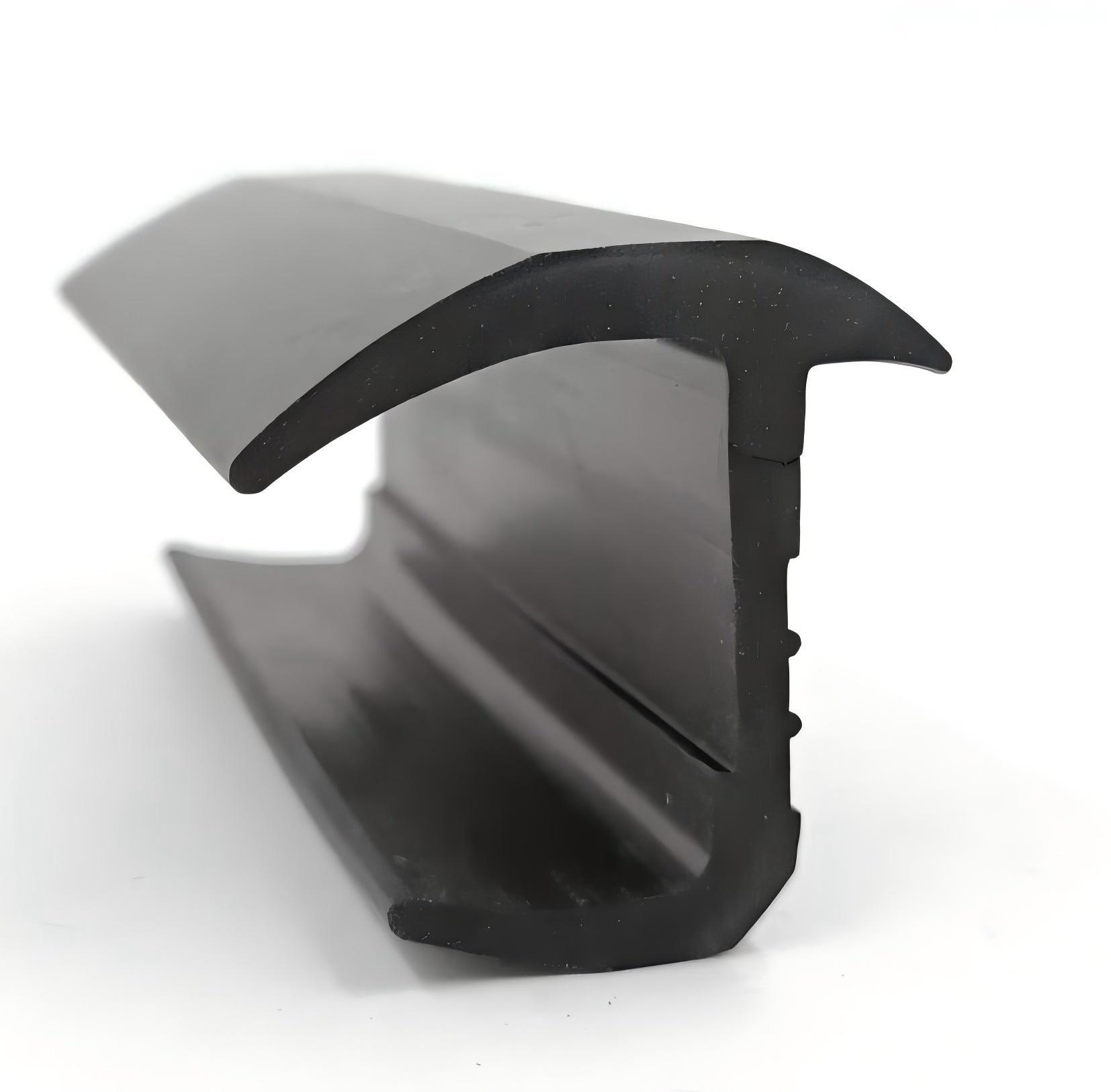
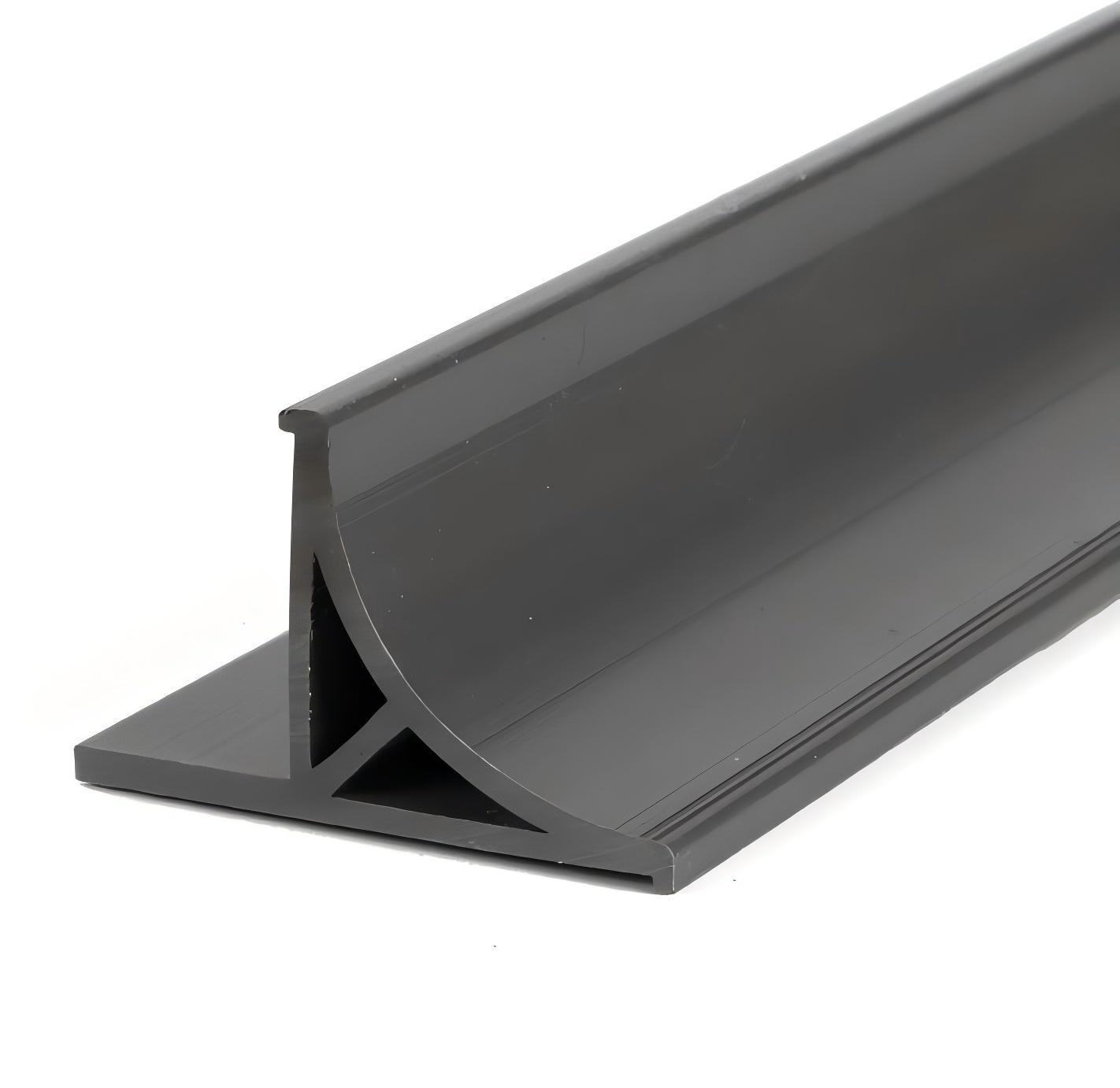
- Provide custom extrusion profiles for unique marine applications
- Maintain ISO 9001:2015 certified quality management
- Supply global shipyards with consistent, batch-tested materials
For a technical consultation on optimizing your marine sealing systems, contact our engineering team today. Let our decades of EPDM expertise work for your marine applications.
Leave A Message
If you are interested in our products and want to know more details, please leave a message here, we will reply you as soon as we can.