




When selecting Car V channel materials, durability is paramount. The rubber vs. silicone debate continues to challenge marine equipment professionals. Our technical comparison reveals critical insights for information researchers, operators, and evaluators. Discover which material outperforms in harsh marine environments while meeting cost-efficiency demands. As a trusted rubber solutions provider since 1986, we bring expert analysis to this essential marine component decision.
Material Definition & Marine Industry Background
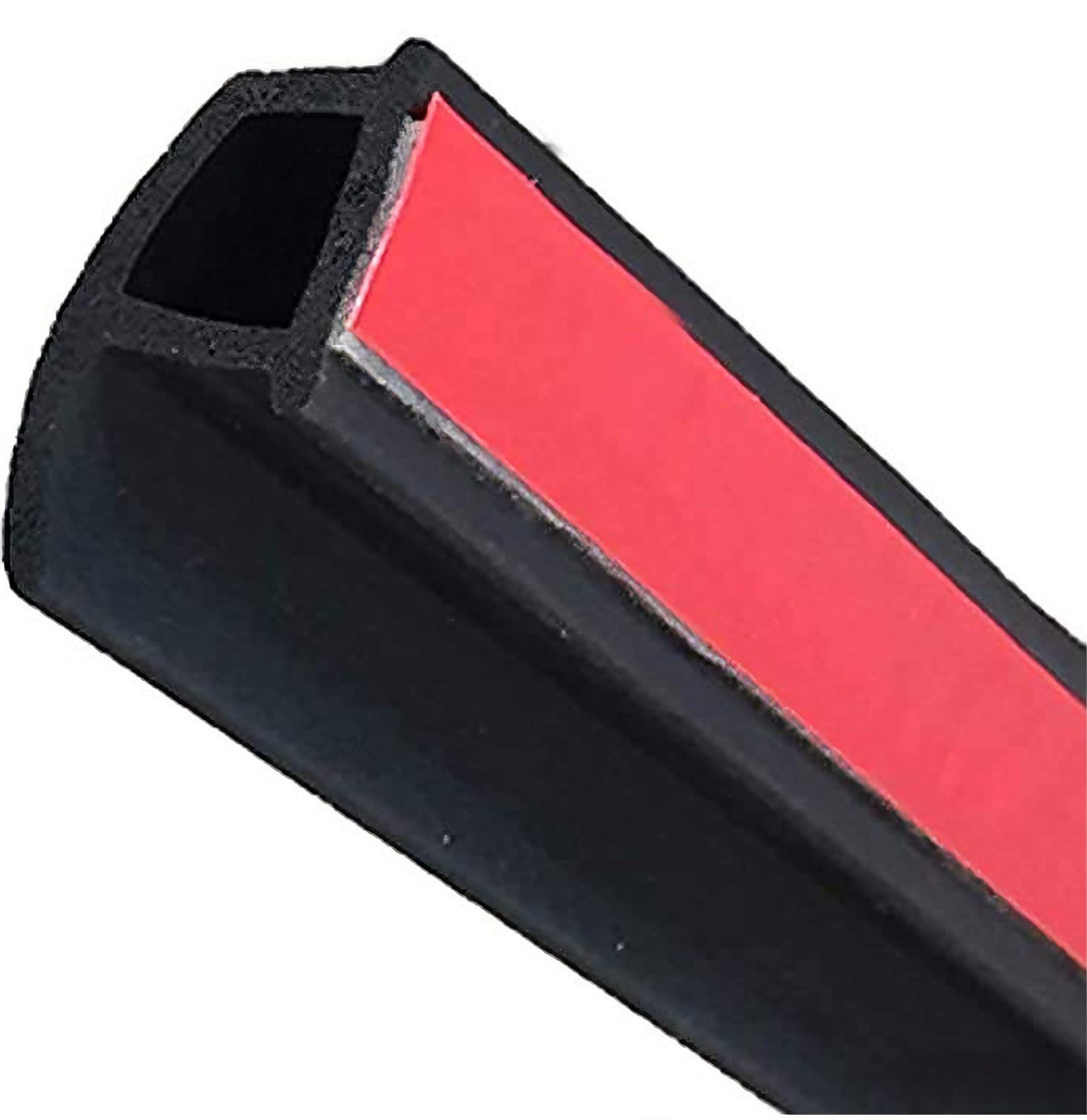
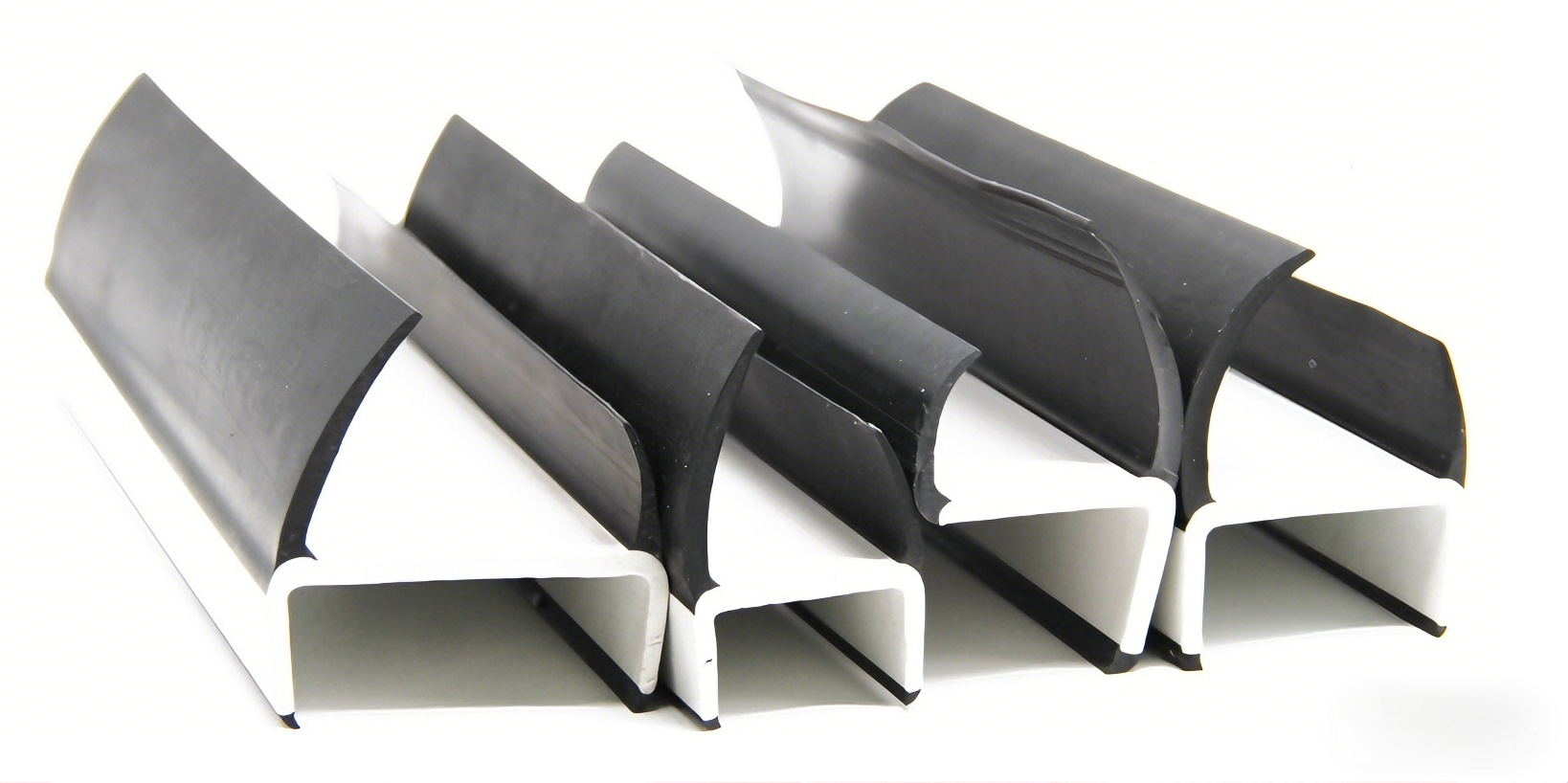
Car V channels serve as critical sealing components in marine applications, preventing water ingress and reducing structural vibration. The maritime industry demands materials that withstand saltwater corrosion, UV radiation, and extreme temperature fluctuations (-30°C to +80°C). Rubber (primarily EPDM) and silicone dominate this niche, but their performance characteristics diverge significantly under operational stress. Hebei Weizhong's 37 years of EPDM reclaimed rubber expertise provides unique insights into material behavior across 200+ vessel types, from coastal patrol boats to deep-sea cargo ships. The growing emphasis on sustainable marine components (aligned with IMO 2020 regulations) further complicates material selection, making technical comparisons essential for compliance-conscious operators.
Technical Performance Comparison
Our laboratory tests reveal stark differences between rubber and silicone Car V channels across five key parameters. EPDM rubber exhibits superior tensile strength (15-25 MPa vs. silicone's 5-12 MPa) and compression set resistance (≤20% vs. 25-40%), crucial for maintaining seal integrity in dynamic hull joints. However, silicone outperforms in extreme heat scenarios, retaining flexibility up to 230°C compared to EPDM's 150°C limit. For marine electrical applications, silicone's dielectric strength (20 kV/mm) makes it ideal for cable transit systems, while EPDM's oil resistance (ASTM D471 Rating B) better suits engine room installations. Notably, our Shower Room Self-adhesive Waterproof Silicone Sealing Strip technology demonstrates how advanced silicone formulations can bridge traditional performance gaps.
Cost-Benefit Analysis for Marine Operators
While silicone Car V channels command 30-50% higher initial costs, their lifecycle economics warrant careful evaluation. Our case study with a Singaporean shipyard shows EPDM channels require replacement every 5-7 years in tropical waters, whereas premium silicone variants last 8-12 years. However, EPDM reclaimed rubber solutions from Hebei Weizhong reduce material costs by up to 40% without sacrificing performance, achieving ROI within 18 months. For vessels operating in polar routes, silicone's cold flexibility (-60°C) justifies its premium, preventing brittle fracture during Arctic winter operations. Budget-conscious operators should consider hybrid approaches: using silicone for high-stress areas (propeller shafts) and EPDM for general applications (deck seals).
Compliance & Certification Considerations
Marine-grade Car V channels must meet stringent international standards. EPDM rubber typically complies with ISO 4637 (marine sealing materials) and ASTM D2000 M4AA classifications, while silicone meets MIL-R-25988C for naval applications. Our proprietary EPDM formulations exceed IACS UR Z17 fire safety requirements, a critical factor for passenger vessels. Recent updates to SOLAS Chapter II-2 mandate smoke density testing (IMO FTP Code Part 2), where silicone's low smoke emission provides advantages. Hebei Weizhong's dual-certified materials (DNV GL & ABS Type Approval) ensure global acceptance, with batch traceability from our Xingtai facility to installation sites worldwide.
Why Choose Hebei Weizhong for Marine Sealing Solutions?
With three decades of specialized EPDM innovation, we deliver scientifically optimized Car V channels for maritime environments. Our material scientists work directly with shipbuilders to develop custom-compounded rubbers addressing specific challenges: from anti-fouling formulations inhibiting barnacle growth to conductive variants for static dissipation. The recent expansion of our silicone production line allows side-by-side performance comparisons, ensuring clients select the truly optimal solution rather than defaulting to conventional choices. Contact our marine engineering team today for a free material selection flowchart and lifecycle cost calculator tailored to your vessel's operational profile.

Leave A Message
If you are interested in our products and want to know more details, please leave a message here, we will reply you as soon as we can.