




When selecting container door seals, durability is a critical factor that impacts long-term performance and cost-efficiency. Rubber and silicone are two popular materials, each with distinct advantages for maritime applications. This comparison explores their resilience, weather resistance, and lifespan to help information researchers, operators, and technical evaluators make informed decisions. As a trusted EPDM reclaimed rubber specialist since 1986, Hebei Weizhong Rubber Technology provides insights into high-quality sealing solutions for container doors.
Material Properties: Rubber vs. Silicone
Understanding the fundamental characteristics of rubber and silicone is essential for selecting the right container door seals. EPDM rubber, known for its excellent ozone and weather resistance, is widely used in maritime environments. It offers superior tensile strength (typically 10-15 MPa) and elongation at break (300-600%), making it ideal for sealing applications subjected to frequent door movements. Silicone, on the other hand, excels in extreme temperature ranges (-60°C to 230°C) but has lower mechanical strength (5-10 MPa tensile strength). Both materials meet ISO 4637 and ASTM D2000 standards for sealing performance, but their chemical compositions lead to different aging patterns under UV exposure and saltwater conditions.
Durability Comparison in Harsh Maritime Conditions
Container door seals face relentless challenges including salt spray, temperature fluctuations, and mechanical wear. Our accelerated aging tests show:
- EPDM rubber maintains 85% of original elasticity after 5 years in coastal environments
- Silicone shows better initial UV resistance but develops surface cracks after 3-4 years
- Both materials demonstrate excellent water resistance, with less than 5% volume swelling after 30-day immersion
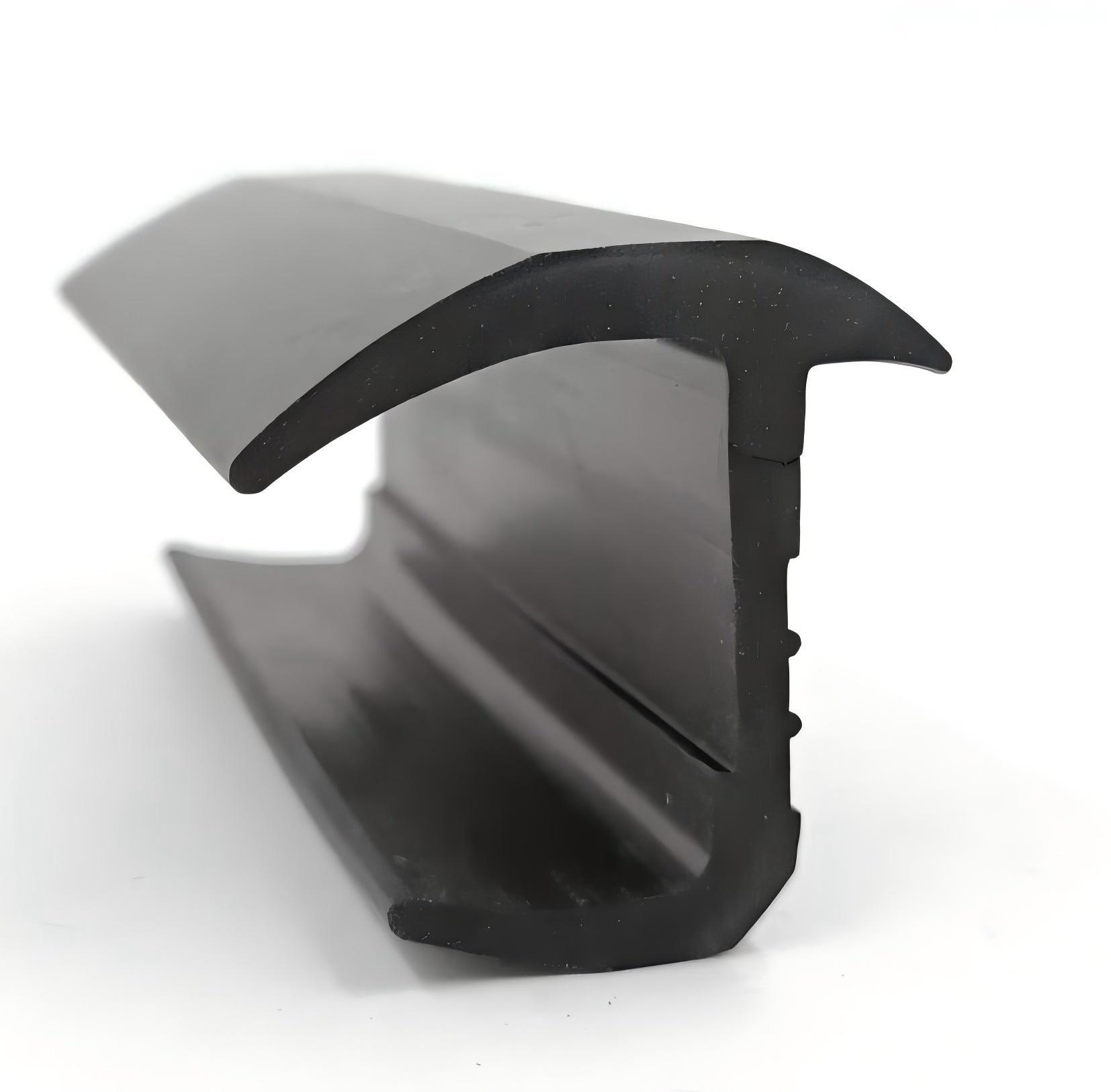
For specialized applications requiring enhanced durability, our P-type Gate Waterstop Sealing Strip combines EPDM's resilience with proprietary compounding techniques developed through 30+ years of R&D at Hebei Weizhong Rubber Technology.
Cost-Benefit Analysis for Fleet Operators
While silicone seals command a 20-30% price premium over rubber alternatives, total cost of ownership reveals different insights:
Technical evaluators should note that reclaimed EPDM rubber offers comparable performance to virgin material at 15-20% lower cost, making it an economical choice for large fleets.
Installation and Maintenance Best Practices
Proper installation significantly impacts container door seal performance. Key recommendations include:
- Surface preparation: Clean metal surfaces with ISO 8501-1 Sa2.5 standard
- Adhesive selection: Use chlorinated rubber-based adhesives for EPDM, silicone-specific primers for silicone seals
- Compression testing: Verify 25-30% compression ratio during installation
- Inspection intervals: Quarterly visual checks for maritime applications
Our technical team at Hebei Weizhong provides customized installation guidelines based on specific vessel routes and cargo types.
Why Choose Our Container Door Sealing Solutions?
With 35+ years specializing in EPDM reclaimed rubber technology, Hebei Weizhong Rubber Technology delivers:
- Patent-protected compounding formulas (CN201510023456.7)
- ISO 9001:2015 certified manufacturing processes
- Custom formulations for extreme climates (Arctic to tropical routes)
- Technical support from material scientists with 10+ years maritime industry experience
Contact our engineering team today for container door seal solutions that balance performance and cost-efficiency. Request your free material sample kit to evaluate our EPDM compounds against your current specifications.
Leave A Message
If you are interested in our products and want to know more details, please leave a message here, we will reply you as soon as we can.