




In solar panel sealing, sealant quality directly affects weather resistance, electrical safety, and long-term system reliability. For quality control and safety managers, knowing how to judge sealant performance is essential to preventing leaks, aging, and bond failure. This guide explains the key indicators, test methods, and material considerations behind reliable Solar panel sealing decisions.
In practice, failures rarely begin with a dramatic break. They usually start with small issues: loss of adhesion at frame corners, slow hardening after application, bubbles in the bead, or early cracking after 6 to 12 months of outdoor exposure. For plants, EPC teams, and maintenance operators, these defects can lead to moisture ingress, reduced insulation performance, corrosion risk, and expensive rework.
For buyers and inspectors in the rubber and plastics sector, sealant evaluation should go beyond visual appearance or initial stickiness. A good Solar panel sealing material must remain stable under UV radiation, humidity, thermal cycling, and continuous mechanical stress. It must also match the substrate system, process window, and service-life target of the panel design.
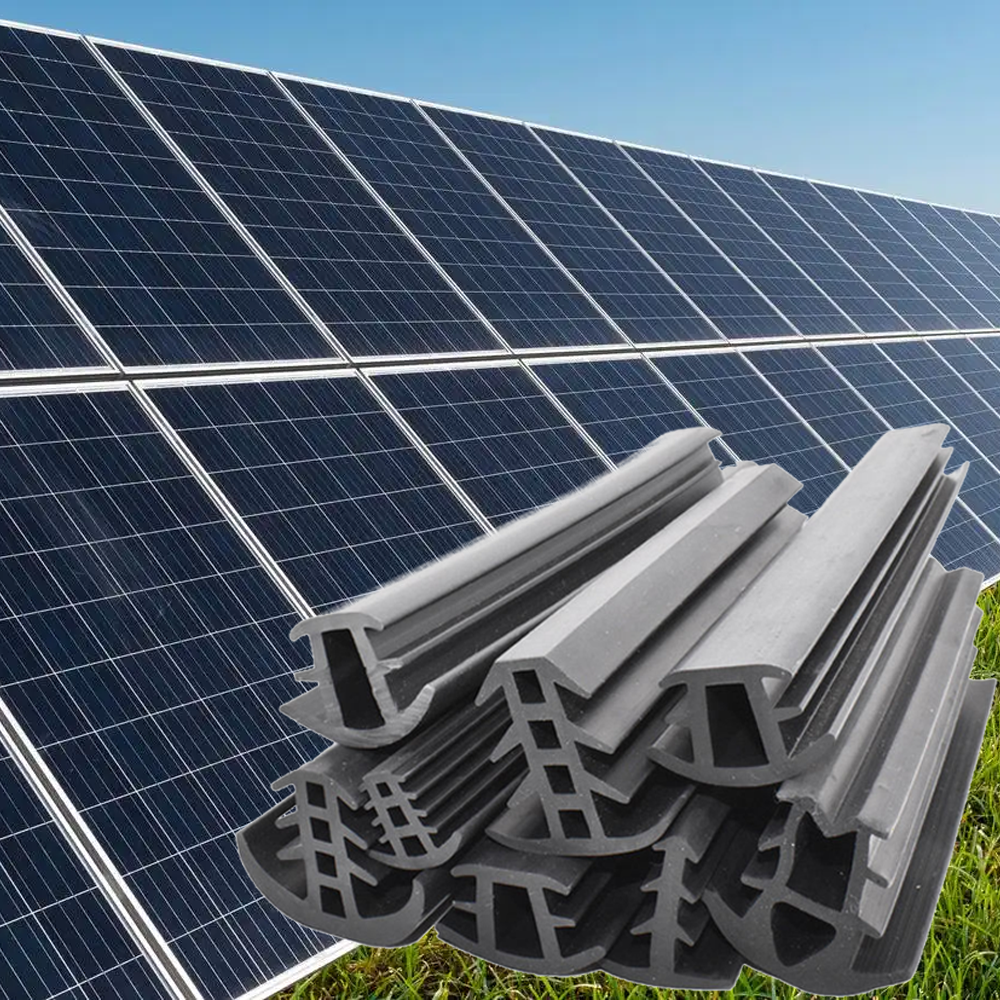
Why Sealant Quality Is Critical in Solar Panel Sealing
Solar modules operate in harsh outdoor conditions for 15 to 25 years. During that period, sealing lines may face summer surface temperatures above 70°C, winter lows below -20°C in some regions, and repeated expansion-contraction cycles. If the sealant cannot maintain elasticity, adhesion, and cohesion within these ranges, the sealing system becomes a weak point.
Main risks caused by poor sealing performance
- Water penetration into module edges, junction areas, or frame interfaces
- Loss of dielectric reliability when moisture reaches sensitive electrical parts
- Accelerated aging from UV, ozone, and temperature cycling
- Bond failure between glass, aluminum frame, backsheet, or polymer components
- Higher field maintenance cost due to resealing, replacement, or safety inspection
For quality teams, one key principle is simple: a sealant that looks acceptable on day 1 may still fail after 500 to 1,000 hours of accelerated aging. That is why Solar panel sealing inspection must combine incoming material checks, process verification, and performance testing.
What quality managers should verify first
The first review should cover 4 areas: product identity, storage condition, cure behavior, and substrate compatibility. Batch mix-up, expired shelf life, poor warehouse control, and contamination on bonding surfaces account for many avoidable failures. Even high-grade materials can underperform if stored above the recommended temperature range or used after open time is exceeded.
The table below gives a practical screening framework for incoming Solar panel sealing materials before production release.
This initial check does not replace lab testing, but it helps remove obvious nonconforming lots before they enter assembly. In many factories, a 10 to 20 minute incoming screening routine can prevent hours of downstream troubleshooting.
Key Quality Indicators for Sealant Evaluation
A reliable Solar panel sealing compound must meet more than one performance target. A balanced review normally includes mechanical behavior, environmental durability, curing profile, and compatibility with adjacent rubber or plastic components. Inspectors should avoid making a decision based on a single index such as hardness alone.
Adhesion strength and failure mode
Adhesion is the first critical checkpoint. The sealant should bond consistently to glass, coated aluminum, polymer backsheets, and other contact surfaces used in module assembly. In peel or lap-shear evaluation, inspectors should observe not only force values but also failure mode. Cohesive failure within the sealant body is usually more acceptable than adhesive failure at the interface.
Recommended review points
- Test at least 3 substrate combinations used in actual production.
- Condition samples for 24 to 72 hours before final evaluation where applicable.
- Check both initial adhesion and post-aging adhesion after heat or humidity exposure.
Elasticity, hardness, and movement accommodation
Solar panel assemblies move slightly under thermal stress and wind load. Sealants with excessive hardness can crack; materials that are too soft may slump or lose dimensional stability. In practical factory control, Shore A hardness and elongation behavior are useful references. The ideal range depends on design, but quality personnel should confirm that the cured bead can absorb movement without edge separation.
For related sealing applications in frames, screens, and weather barriers, manufacturers often compare profile resilience and compression recovery in products such as Window Screen Sealing Strip. Although the installation environment differs, the same materials mindset applies: elasticity retention over time matters more than initial softness.
Weather resistance and aging stability
Outdoor durability is non-negotiable in Solar panel sealing. A competent sealant should resist UV exposure, rainwater, ozone, and cyclical temperature changes. Typical qualification programs may include 500-hour, 1,000-hour, or longer accelerated aging sequences, depending on customer standards and project risk level.
The following table summarizes practical indicators that quality managers can use when comparing sealants for long-term service.
The key message is that long-term performance should be judged by retention, not by day-one values alone. A material with slightly lower initial strength but better stability after aging can be the safer industrial choice.

Test Methods That Support Better Quality Decisions
A sound Solar panel sealing approval process combines factory-floor checks with lab-based validation. For quality control and safety managers, the goal is to build a repeatable method that screens incoming material, confirms process suitability, and predicts field durability with reasonable confidence.
Routine production checks
Routine checks should be simple enough for every batch and every shift. In many sealing lines, operators and inspectors can monitor 5 practical items: extrusion smoothness, tack-free time, bead geometry, surface defect level, and basic adhesion on witness samples. These checks are often completed within the first 30 to 60 minutes of a run.
Shift-level checklist
- Confirm cartridge, drum, or package code before loading
- Measure ambient workshop temperature and humidity
- Verify substrate cleaning and surface dryness
- Record cure behavior against standard process time
- Retain one sample panel or bead coupon per batch
Laboratory validation methods
For formal approval, lab testing should simulate actual service conditions as closely as possible. That usually means combining at least 3 types of stress: heat, humidity, and mechanical load. Depending on the project, teams may also include salt fog, UV exposure, or thermal cycling between low and high temperature limits.
The table below shows how common test methods align with Solar panel sealing risk control.
When test results differ across suppliers, quality managers should compare not only headline values but also sample preparation, cure time, substrate treatment, and aging sequence. Small procedural differences can shift results enough to distort purchasing decisions.
Material Selection Factors in the Rubber and Plastics Supply Chain
In Solar panel sealing, chemistry selection is closely linked to the wider rubber and plastics system around the panel. Sealants do not exist alone; they interact with gaskets, edge strips, frame inserts, plastic backsheet layers, and sometimes reclaimed or modified rubber components in secondary sealing structures.
Compatibility with adjacent materials
One frequent mistake is choosing a sealant with good standalone performance but poor compatibility with nearby materials. Plasticizer migration, surface energy mismatch, and chemical interaction can reduce bond strength over time. That is why compatibility checks should include all relevant contact layers, not only glass and aluminum.
Materials that should be included in a compatibility review
- Tempered glass edge surfaces
- Aluminum frame with actual coating condition
- Backsheet or polymer laminate
- Rubber strips, EPDM profiles, or compression seals
- Cleaning agents, primers, and dispensing contact materials
For manufacturers working with cost-sensitive but durable elastomer systems, EPDM-based materials remain important because of their weather resistance and flexibility. Hebei Weizhong Rubber Technology has focused on EPDM reclaimed rubber research, production, and sales since 1986, supplying reliable and economical rubber materials for customized applications. For buyers, that background is relevant when evaluating supporting sealing components that must balance cost, consistency, and long-term resilience.
Process stability and manufacturing fit
A technically strong sealant can still fail as a production material if it does not match the line. Viscosity that is too high may overload dispensing equipment. Cure speed that is too slow can reduce throughput. Open time that is too short can create inconsistent bead formation. In high-volume plants, these issues directly affect yield, labor efficiency, and inspection burden.
Quality managers should therefore evaluate 3 time-based factors: workable application window, fixture or handling time, and full cure cycle. If a material requires 48 hours for stable handling but the line packs products in 12 hours, process mismatch becomes a quality risk. This is especially important in Solar panel sealing programs with seasonal production changes and variable workshop climate.
Cost should be measured over service life
Procurement teams often compare price per kilogram, but safety and quality personnel should translate material choice into life-cycle impact. A lower purchase price may become expensive if it increases rework by 2% to 5%, raises field maintenance frequency, or shortens inspection intervals. In sealing systems, stability usually saves more than unit price alone.
The same purchasing logic applies in adjacent profile-sealing products such as Window Screen Sealing Strip, where buyers judge not only material cost but also fit tolerance, weather aging, and installation consistency. For industrial B2B sourcing, performance-per-cycle is often a better metric than price-per-piece.
Common Mistakes, Field Warnings, and Better Approval Practice
Even experienced teams sometimes approve Solar panel sealing materials too quickly. Most failures can be traced to a short list of preventable errors in testing logic, line control, or supplier communication. A stricter approval workflow can reduce uncertainty before full-scale deployment.
Common mistakes in sealant judgment
- Approving based only on supplier datasheets without line trials
- Testing one substrate but using three or four in actual production
- Ignoring curing differences between summer and winter conditions
- Checking initial bond but skipping post-aging verification
- Overlooking contamination from release agents, dust, or oil film
A practical 5-step approval sequence
- Define service conditions, substrate list, and target lifetime.
- Screen incoming samples for identity, storage status, and application behavior.
- Run controlled adhesion and cure trials on actual substrates.
- Perform accelerated aging with at least heat and humidity exposure.
- Release material only after process fit and post-aging results are confirmed.
This sequence is especially useful for teams managing supplier changes, batch transitions, or cost-down projects. It creates a traceable decision path and supports communication between quality, procurement, and EHS functions.
When to escalate a sealing risk
Escalation is recommended when any of the following appears within the first validation cycle: repeated adhesive failure at the same interface, visible cracking after short-term aging, cure inconsistency across 2 or more batches, or strong property drift under expected operating temperatures. Delaying action at this point often multiplies downstream cost.
Judging sealant quality in Solar panel sealing requires a structured view of adhesion, elasticity, aging resistance, process fit, and material compatibility. For quality control and safety managers, the best decisions come from combining incoming inspection, realistic testing, and long-term performance review rather than relying on a single test value.
If you are sourcing rubber-related sealing materials or need support with customized EPDM reclaimed rubber solutions for demanding industrial applications, Hebei Weizhong Rubber Technology can help you evaluate practical options with reliability and cost balance in mind. Contact us now to discuss your project, request technical details, or get a tailored material solution.
Leave A Message
If you are interested in our products and want to know more details, please leave a message here, we will reply you as soon as we can.