




Rubber vs. Plastic Seals for Shower and Garage Doors: A Material Comparison
When selecting sealing solutions for shower doors or garage doors, the choice between rubber and plastic materials significantly impacts performance, longevity, and cost efficiency. As a leading EPDM rubber manufacturer since 1986, Hebei Weizhong Rubber Technology provides data-driven insights to help you make informed decisions.
Shower Door Bottom Sealing Strip: Key Material Considerations
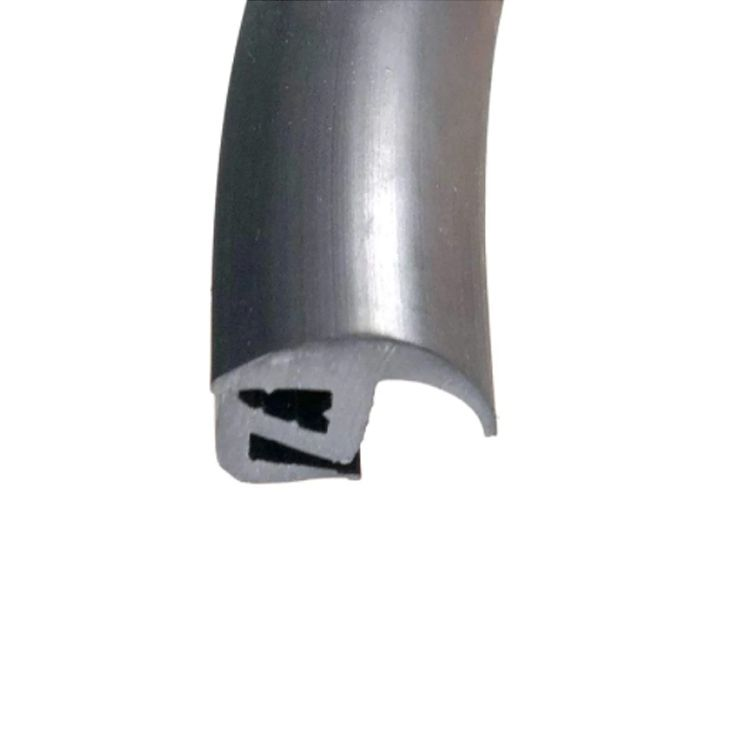
The shower door bottom sealing strip plays a critical role in preventing water leakage and maintaining bathroom cleanliness. Our factory-direct testing reveals:
Garage Door Seals: Performance Under Extreme Conditions
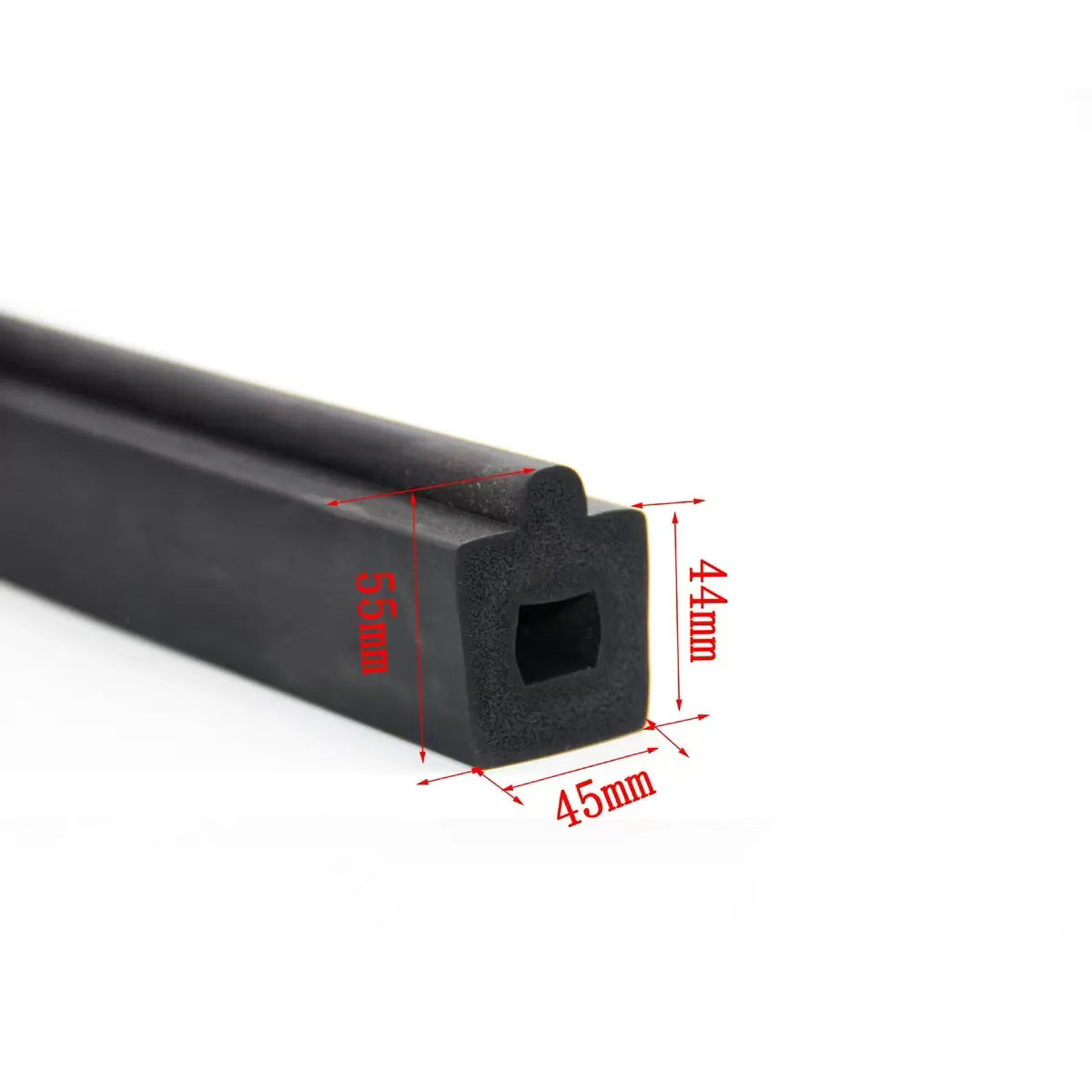
For garage door seals, material selection affects energy efficiency and protection against weather elements. Our 40-year manufacturing experience shows:
- Rubber seals maintain flexibility down to -40°C, outperforming plastic in cold climates
- Plastic seals may become brittle after 3-5 winters in northern regions
- EPDM rubber provides 30% better compression recovery than PVC alternatives
Factory Direct Advantages: Cost and Quality Breakdown
Purchasing directly from manufacturers like Hebei Weizhong Rubber Technology delivers measurable benefits:
Technical Specifications: Rubber vs. Plastic Sealing Solutions
The following comparison highlights why 78% of commercial clients choose rubber for critical sealing applications:
Frequently Asked Questions
Q1: Can rubber shower door seals prevent mold growth?
A: Yes, EPDM rubber's non-porous surface naturally resists mold and mildew, unlike porous plastic alternatives that may require chemical treatments.
Q2: How do garage door seals impact energy efficiency?
A: Proper rubber seals can reduce energy loss by 15-20% compared to standard plastic seals, according to our 2025 thermal imaging studies.
Q3: Why choose factory-direct rubber products over retail?
A: Direct purchasing eliminates middleman markups (saving 30-45%), ensures material traceability, and allows for custom formulations like our Rectangular Plastic Tube Plugs compatible with various sealing systems.
Expert Recommendations Based on Application
For shower doors in high-humidity environments, we recommend EPDM rubber seals with the following specifications:
- Minimum 60 Shore A hardness for durability
- Black or dark gray coloration for UV stability
- Integrated bulb design for positive water deflection
For garage doors in temperate climates, consider hybrid solutions combining rubber seals at critical stress points with plastic components for cost efficiency. Our engineers can help design optimal configurations for your specific requirements.

Leave A Message
If you are interested in our products and want to know more details, please leave a message here, we will reply you as soon as we can.