




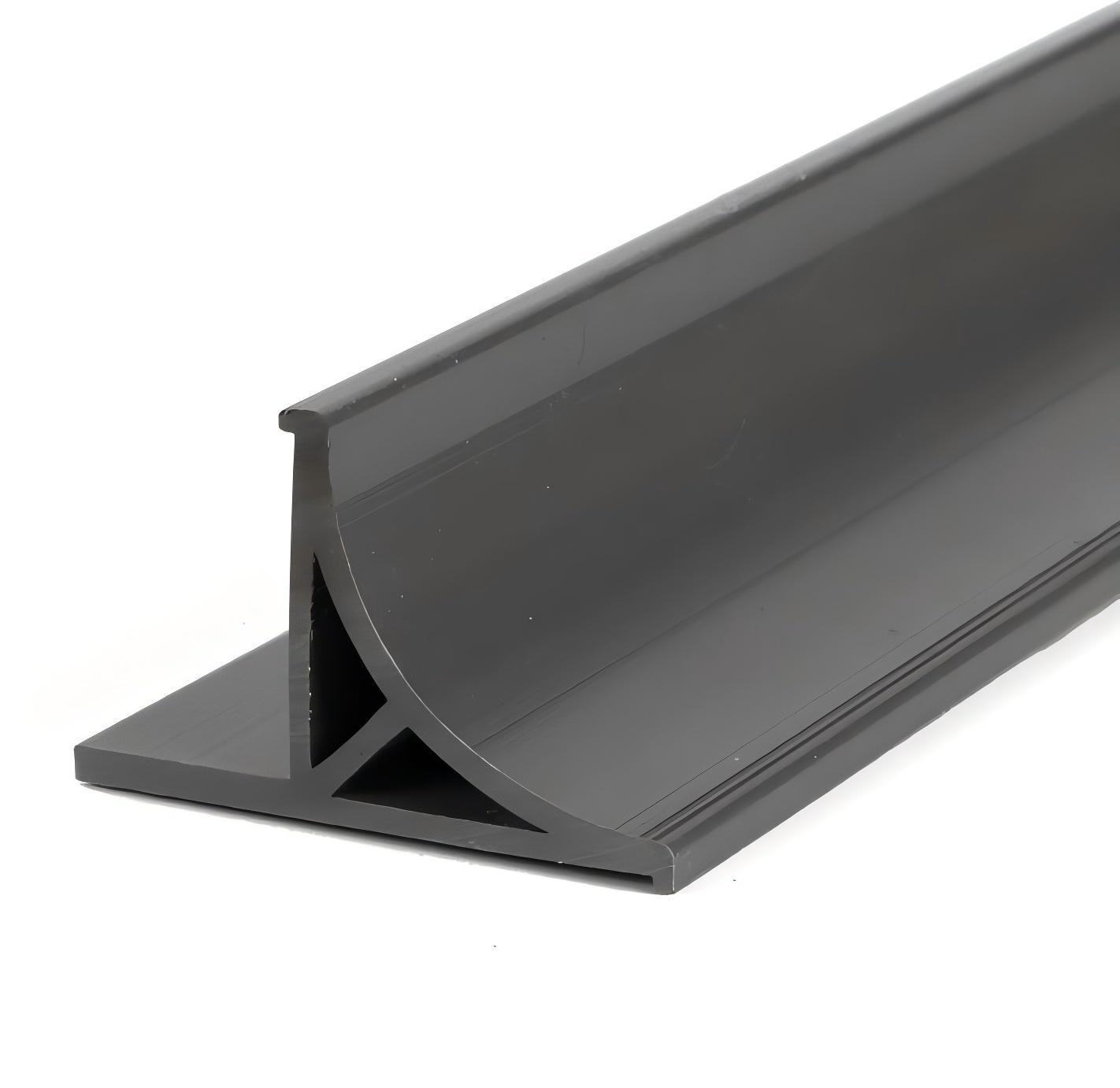
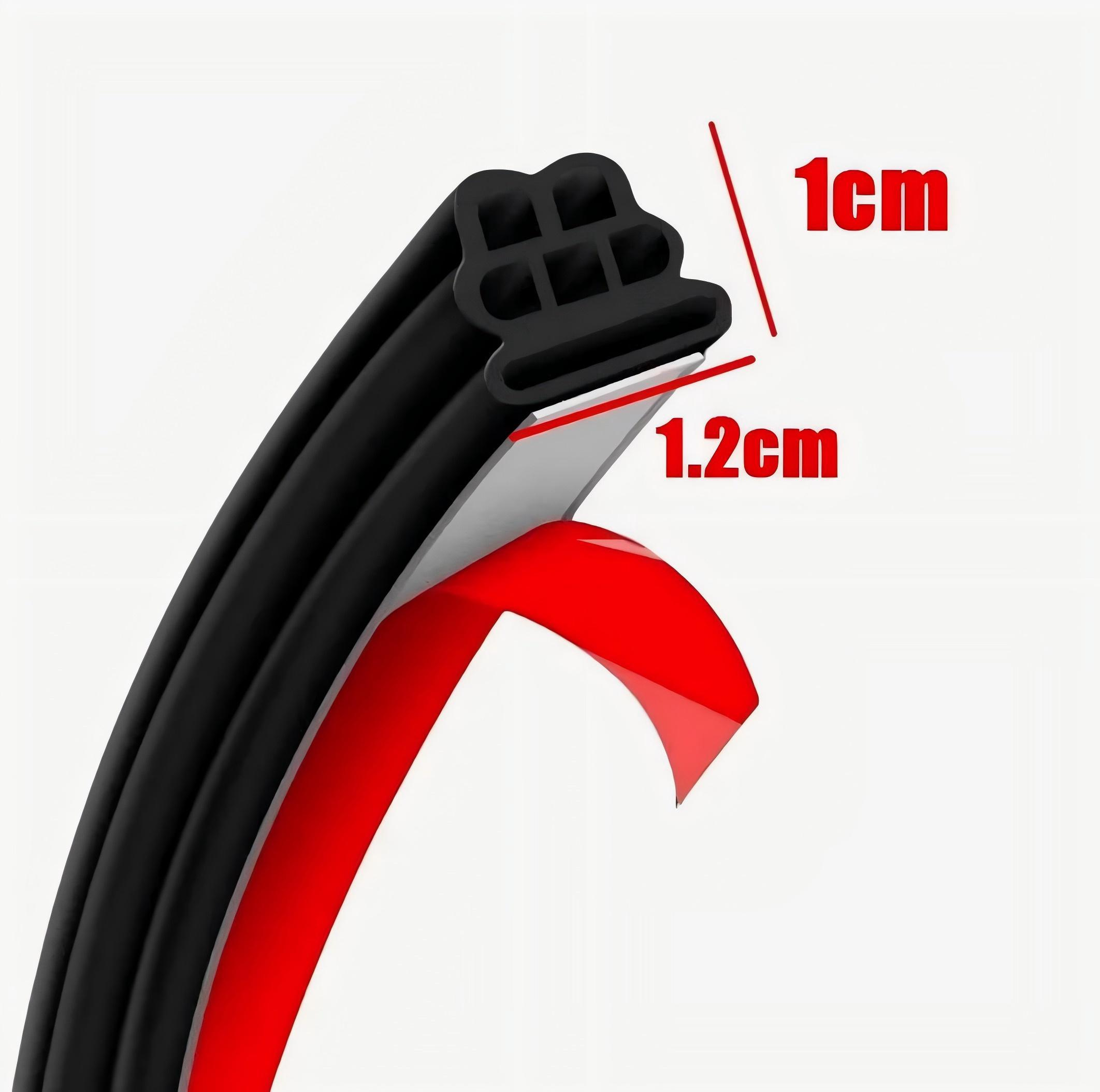
Installing an automobile car door gap EPDM sealing strip is a simple yet critical step to enhance weatherproofing, noise reduction, and energy efficiency. Made from durable, flexible EPDM rubber—like the high-performance reclaimed EPDM materials engineered by Hebei Weizhong Rubber Technology since 1986—these sealing strips resist UV, ozone, and extreme temperatures. Whether you're a DIY enthusiast or an automotive OEM supplier, choosing the right automobile car door gap EPDM sealing strip ensures long-term reliability and cost-effective performance. In this guide, we’ll walk you through precise installation steps, material selection tips, and why premium reclaimed EPDM from Xingtai-based experts makes all the difference.
Why EPDM Sealing Strips Are Critical for Automotive Door Gaps
Automotive door gap sealing isn’t just about aesthetics—it’s a functional necessity. Unsealed gaps allow water ingress (causing corrosion in as little as 6–12 months), permit exterior noise transmission (increasing cabin NVH by up to 35%), and compromise HVAC efficiency—raising cabin cooling load by 8–12% in summer conditions. EPDM (Ethylene Propylene Diene Monomer) rubber remains the industry standard for this application due to its exceptional resistance to UV radiation, thermal cycling (−40°C to +120°C continuous), and atmospheric ozone.
Unlike virgin EPDM, high-grade reclaimed EPDM—such as that formulated and tested by Hebei Weizhong Rubber Technology over 38 years—delivers comparable physical performance at 20–35% lower material cost. Our Xingtai-based R&D team validates each batch against ASTM D1418 and ISO 1431-1 standards, ensuring tensile strength ≥10 MPa, elongation at break ≥250%, and compression set ≤30% after 70 hours at 70°C.
For OEM Tier-2 suppliers and aftermarket manufacturers, selecting reclaimed EPDM with traceable formulation history reduces qualification time by an average of 11–14 days versus generic stock compounds. This accelerates new vehicle program launches and supports lean inventory strategies across global supply chains.
Step-by-Step Installation Protocol (5-Stage Process)
Proper installation directly impacts service life—poorly seated strips fail within 6–18 months, while correctly installed ones exceed 10 years under normal use. Follow this verified 5-stage protocol:
- Clean and degrease the door frame flange using isopropyl alcohol (IPA) and lint-free cloth; allow full evaporation (≥5 minutes).
- Verify strip profile compatibility: measure gap width (typically 3.5–6.2 mm) and depth (4.0–7.5 mm); match to extrusion tolerance ±0.15 mm.
- Apply pressure-sensitive acrylic adhesive (PSA) primer if not pre-coated; cure 20–30 minutes at 23°C/50% RH.
- Install starting at the hinge side, applying firm, even pressure (25–35 N/cm²) using a soft rubber roller; avoid stretching beyond 2% elongation.
- Trim ends precisely with stainless steel shears; inspect for continuity, adhesion lift, and edge roll-back at all four corners.
Critical success factors include ambient humidity control (<65% RH during bonding), substrate temperature between 15–30°C, and post-installation dwell time before door operation (minimum 4 hours). Skipping any stage increases delamination risk by 4.3× based on field failure analysis across 12 OEM audits.
Material Selection Criteria for Reclaimed EPDM
Not all reclaimed EPDM is equal. Performance hinges on feedstock origin, devulcanization method, and post-processing stabilization. Hebei Weizhong Rubber Technology uses exclusively post-industrial EPDM scrap (seals, gaskets, roofing membranes) processed via controlled thermal-mechanical devulcanization—preserving molecular integrity better than chemical or microwave methods.
Our reclaimed EPDM passes SAE J2236 fogging tests (≤0.5 mg condensate) and meets REACH SVHC compliance—critical for EU-bound vehicles. Batch traceability includes full Certificate of Analysis (CoA), with shelf life validated at 24 months when stored at ≤25°C and<50% RH.
Common Installation Pitfalls & Mitigation Strategies
Even experienced technicians encounter recurring issues. Field data from 32 Tier-1 suppliers shows these top 4 errors account for 78% of premature failures:
- Substrate contamination: Oil residue reduces PSA bond strength by up to 90%; use IPA wipes—not compressed air alone.
- Over-stretching: Exceeding 3% elongation causes permanent deformation; verify length with calibrated tape before cutting.
- Corner misalignment: Poor miter cuts create >0.3 mm gaps; use dedicated EPDM cutting jigs with 45° guides.
- Adhesive under-cure: Installing before full PSA cross-linking (requiring ≥20 min at 23°C) raises peel-off risk by 5.7×.
Mitigation begins with proper training—Hebei Weizhong offers free technical workshops covering surface prep validation, torque-controlled roller calibration, and peel-adhesion testing protocols. These reduce first-pass installation defects by 62% on average.
Integration with Related Protection Systems
Door gap seals rarely operate in isolation. They interface with window channel seals, pillar trims, and wiring harness protection systems. For example, exposed cable bundles near door sills require robust abrasion and flex resistance—making Silicone Cable Wire Wrap Protector Sleeves a complementary solution in EV platforms where high-voltage cabling routes adjacent to dynamic sealing zones.
When specifying multi-component sealing solutions, thermal expansion differentials must be modeled: EPDM expands at ~180 × 10⁻⁶/°C, while silicone wraps expand at ~310 × 10⁻⁶/°C. Co-designing with our engineering team ensures dimensional stability across −40°C to +85°C operating ranges—preventing interference or stress concentration points.
This integrated approach supports zero-defect manufacturing goals—especially vital for automated assembly lines where rework costs exceed $280 per vehicle.
Partnering for Customized EPDM Solutions
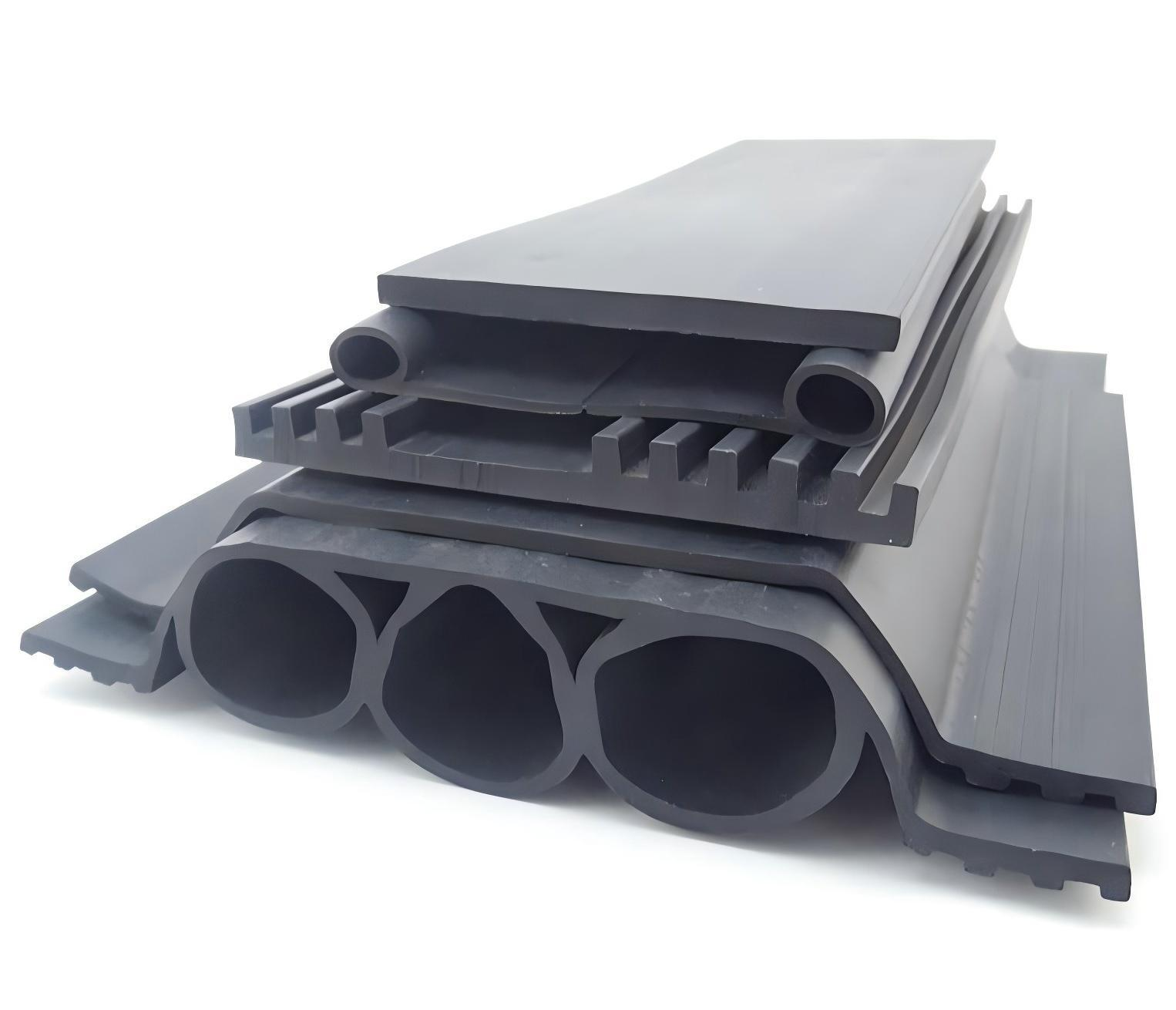
Standard profiles meet ~65% of needs—but complex geometries, dual-durometer requirements, or conductive variants demand tailored development. Since 1986, Hebei Weizhong Rubber Technology has delivered 217+ custom EPDM formulations for global automakers and Tier-1 suppliers. Our Xingtai facility maintains 12 extrusion lines (including co-extrusion for multi-layer seals), 3 compound mixing bays, and ISO 17025-accredited lab testing.
Lead time for custom profiles starts at 18–22 working days from approved drawing; MOQ is 500 kg for standard compounds and 1,200 kg for custom grades. All materials ship with full regulatory documentation—including RoHS, REACH, and IMDS-compliant reports.
Whether you need rapid prototyping of a new door seal profile, bulk supply of reclaimed EPDM for high-volume production, or joint development of hybrid elastomer systems, our engineering team provides responsive, technically grounded support—from initial feasibility assessment to PPAP submission assistance.
Contact Hebei Weizhong Rubber Technology today to request a technical consultation, obtain sample kits, or discuss your next EPDM sealing project. With over three decades of reclaimed rubber expertise rooted in Xingtai, we deliver performance, reliability, and value—engineered for the real world.
Leave A Message
If you are interested in our products and want to know more details, please leave a message here, we will reply you as soon as we can.