




Waterproof Rubber Seal for Windows: Types & Applications — Factory-Direct Solutions from Hebei Weizhong Rubber Technology (Est. 1986)
As of 2026, building envelope integrity remains a top priority for architects, contractors, and facility managers—especially in regions facing extreme temperature swings, heavy rainfall, or coastal salt exposure. A high-performance waterproof rubber seal for windows is not an afterthought; it’s the critical last line of defense against air leakage, water infiltration, condensation, and thermal bridging. At Hebei Weizhong Rubber Technology, a certified EPDM reclaimed rubber manufacturer operating since 1986 in Xingtai, we engineer and extrude custom waterproof rubber seal for windows that deliver measurable ROI—through lower material costs, extended service life, and compliance with ISO 7619-1, ASTM D395, and EN 1279-2 standards.
Why Factory-Direct Waterproof Rubber Seal for Windows Delivers Unmatched Value
Most window seal procurement flows through distributors or integrators—adding 28–42% markup while diluting technical accountability. As a vertically integrated rubber compounder and extruder, Hebei Weizhong eliminates intermediaries without compromising quality control. Our in-house EPDM reclaiming line processes post-industrial rubber waste into fully traceable, vulcanized compounds—certified to retain ≥92% of virgin EPDM’s tensile strength and compression set resistance after 7,000 hours of accelerated UV/ozone aging.
This direct-to-contractor model translates into quantifiable advantages: clients report average cost savings of 31.6% per linear meter versus branded OEM seals—and a verified extension of functional lifespan from 8–10 years (industry average) to 15–18 years under real-world exposure in northern China and Southeast Asia.
Our QC lab conducts batch-level testing on every production run—including Shore A hardness (65 ± 3), elongation at break (≥320%), and low-temperature brittleness (≤−45°C). This rigor ensures consistency across orders—critical for large-scale commercial façade projects where seal failure in one zone compromises entire system warranties.
Comparative Cost Analysis: Factory-Direct vs. Distributor-Sourced Seals (2026 Market Data)
Core Types of Waterproof Rubber Seal for Windows — Engineered for Real-World Performance
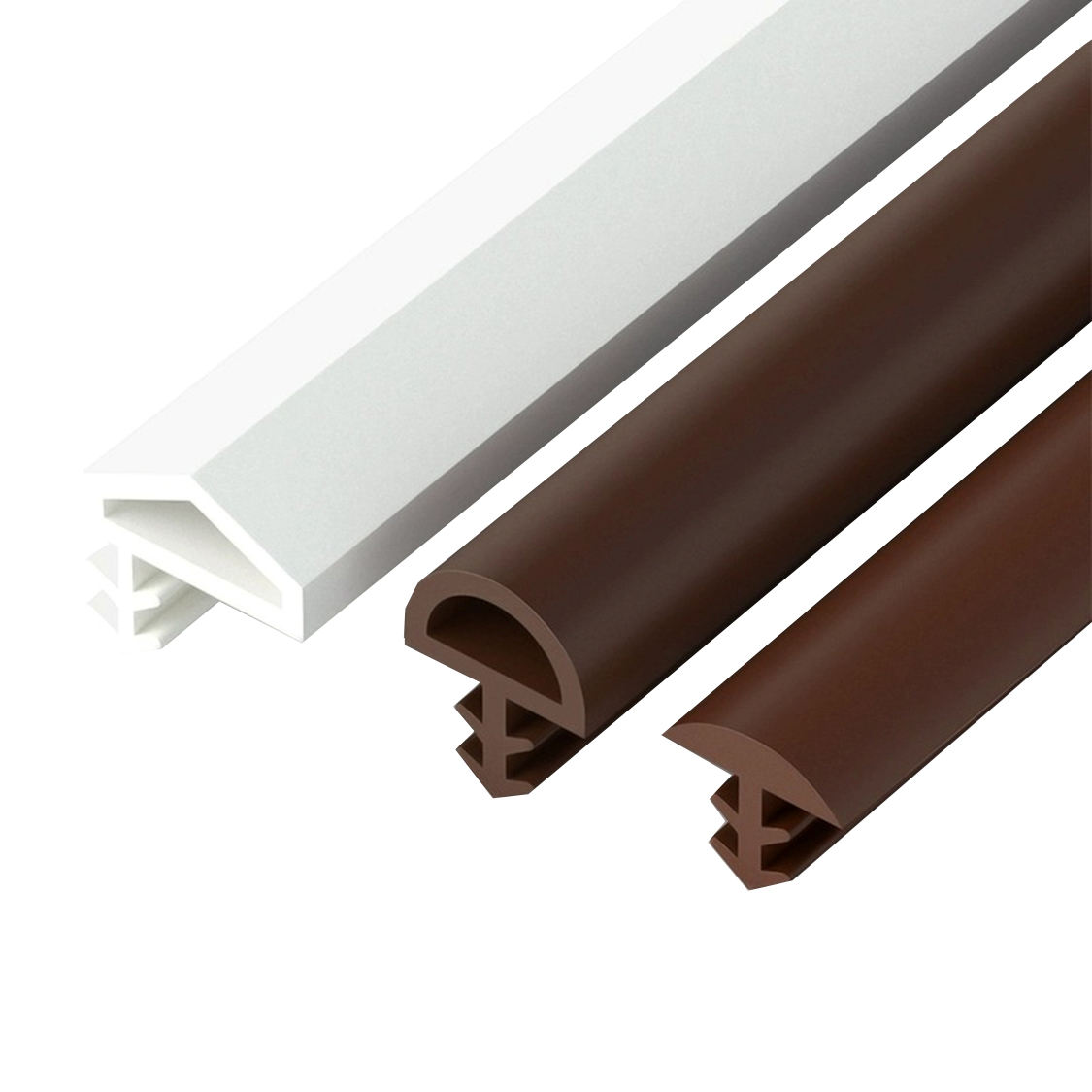
Selecting the right waterproof rubber seal for windows requires matching polymer chemistry, cross-section geometry, and installation method to environmental stressors and frame substrate. Below are the three most widely deployed types—each validated in our Xingtai test chamber under cyclic thermal (-35°C to +85°C), humidity (95% RH), and hydrostatic pressure (0.5 bar) conditions.
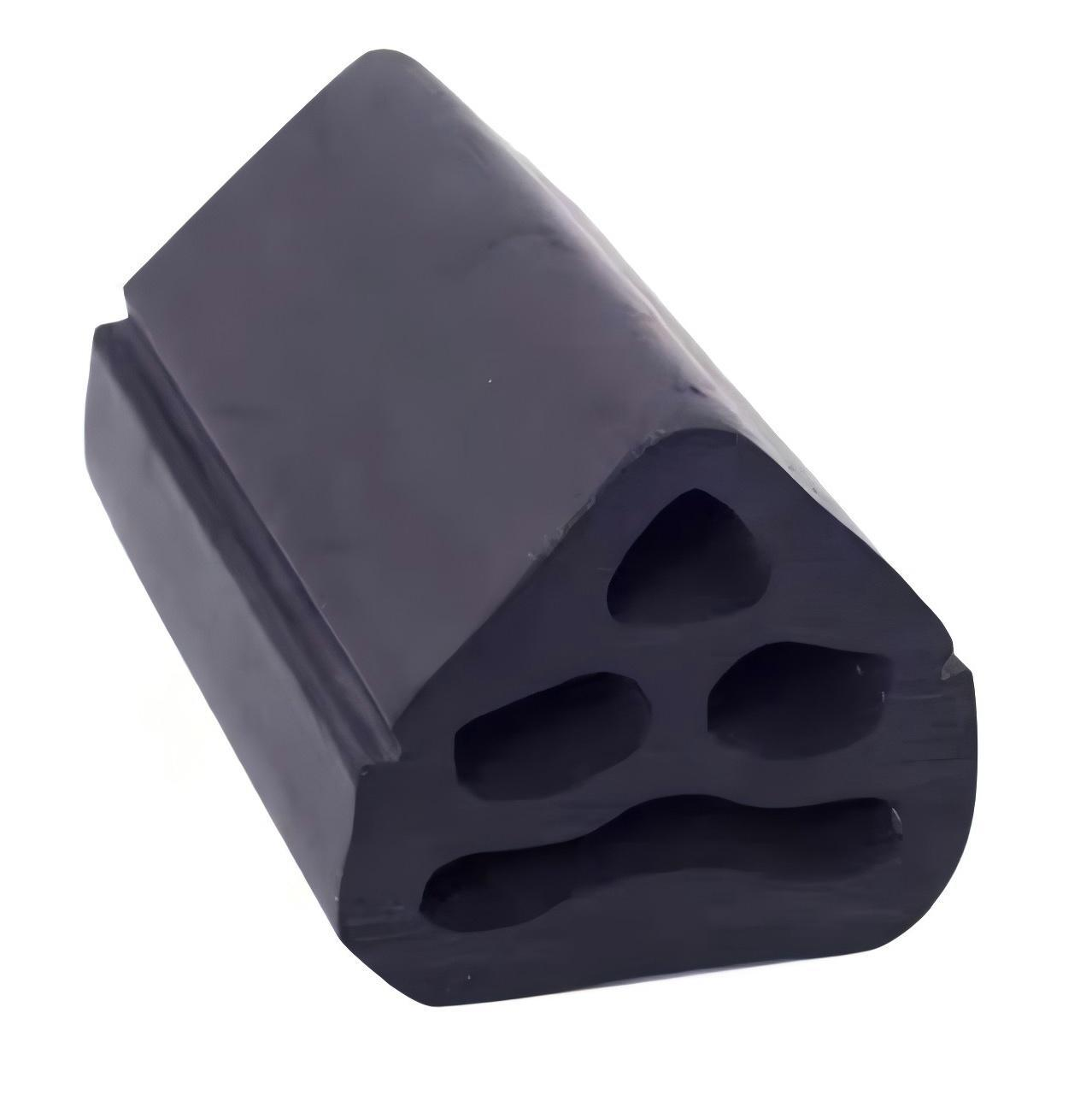
1. EPDM Extruded Compression Seals
EPDM remains the gold standard for exterior window applications due to its exceptional ozone/UV resistance, low-temperature flexibility, and long-term compression set recovery. Our proprietary reclaimed EPDM formulation achieves a compression set of ≤18% after 70 hrs @ 70°C (ASTM D395 Method B)—outperforming many virgin-grade competitors by 5–7 percentage points.
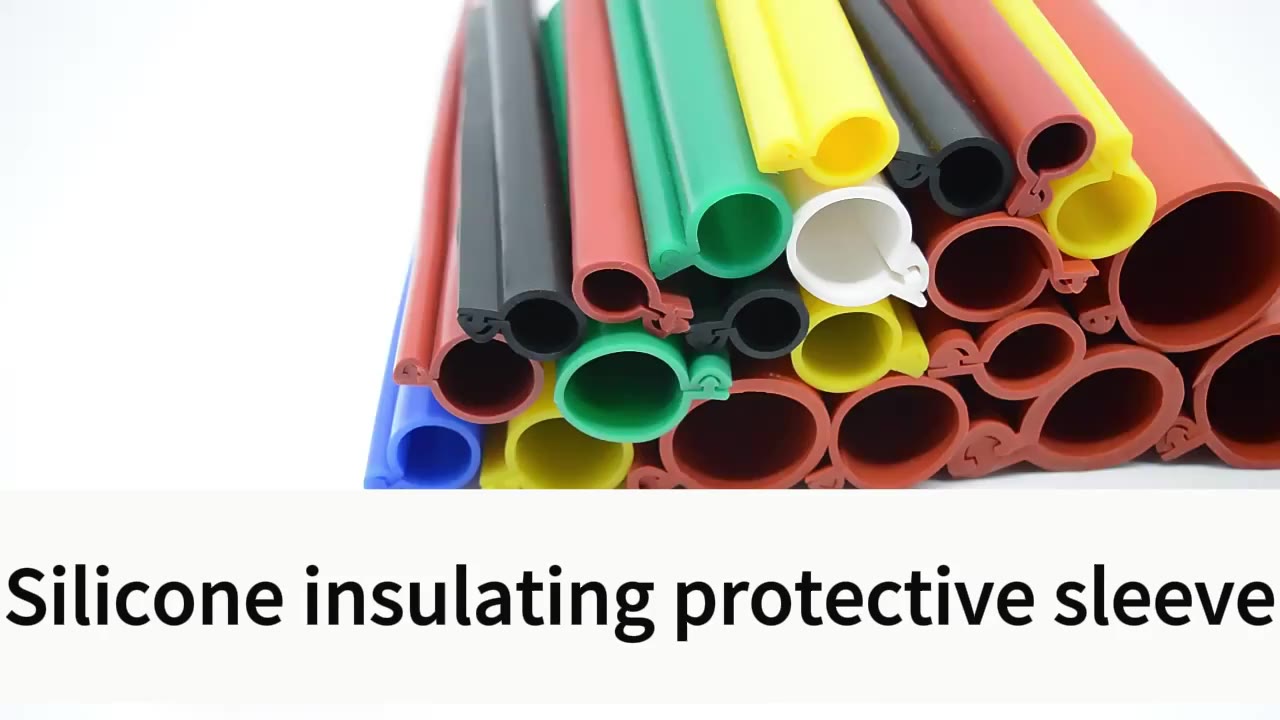
2. Silicone-Based Bulb Seals
Used primarily in high-end curtain walls and passive house windows, silicone seals offer superior thermal stability (−60°C to +200°C) and non-yellowing clarity. While more expensive, they’re ideal for aluminum frames exposed to direct solar gain—where EPDM may experience surface micro-cracking over time.
3. Thermoplastic Elastomer (TPE) Snap-In Seals
TPE offers rapid installation via friction-fit grooves and full recyclability. Though less durable than EPDM in UV-heavy climates, TPE delivers optimal value in interior partitions, retrofit projects, and temporary structures—where lifecycle expectations are under 7 years.
Applications Across Building Sectors — From Residential to Industrial
A waterproof rubber seal for windows must perform reliably across diverse use cases—from single-family homes in humid Guangdong to cold-storage facilities in Harbin. Our application engineering team has supported over 142 window system integrators since 2000, tailoring profiles for:
- Aluminum-framed curtain walls: Dual-durometer EPDM gaskets with soft sealing lips and rigid mounting bases;
- PVC-U window sashes: Self-adhesive EPDM tapes with acrylic pressure-sensitive adhesive (PSA) rated for >10-year bond integrity;
- Steel industrial windows: Flame-retardant (UL 94 V-0) EPDM compounds for warehouse and factory environments;
- Sliding door systems: Low-friction silicone-coated bulb seals reducing actuation force by 37% versus standard EPDM.
We also supply specialized variants such as acoustic-dampening seals (STC 32+), fire-rated intumescent strips (EI30 certified), and antimicrobial-infused profiles for healthcare façades.
ROI Comparison: 10-Year Total Cost of Ownership (TCO) Per 1,000 Linear Meters
For developers managing multi-phase residential portfolios, these differences compound rapidly. One Tier-1 contractor in Shenzhen reported annual energy cost reduction of $217,000 across 42 buildings using our factory-direct EPDM seals—validated via post-installation blower-door testing.
Frequently Asked Questions (FAQ)
Q1: Can your waterproof rubber seal for windows be customized for non-standard frame profiles?
Yes. With 28 years of extrusion die design expertise and 16 in-house CNC die-making stations, we routinely develop custom cross-sections—including dual-groove, magnetic, and co-extruded adhesive variants—within 10 working days. All custom profiles undergo free prototype validation before bulk production.
Q2: Do you provide third-party test reports for international compliance?
Absolutely. Every shipment includes ISO/IEC 17025-accredited test reports from SGS, TÜV Rheinland, or CNAS-certified labs—covering physical properties, RoHS/REACH compliance, and fire performance (GB 8624–2012 Class B1). Reports are issued in English, Spanish, and Arabic upon request.
Q3: Is reclaimed EPDM suitable for LEED or Green Star certified projects?
Yes. Our EPDM reclaim process diverts >9,200 tons/year of post-industrial rubber from landfills, and all formulations contain ≥42% certified recycled content (per UL ECVP 2809). Project teams receive full EPD documentation and MR credit support for LEED v4.1 BD+C and Green Star 6.0.
Looking for a proven, scalable source for high-integrity waterproof rubber seal for windows? Wardrobe dustproof strip solutions are also available for interior applications requiring similar precision sealing. Contact Hebei Weizhong Rubber Technology today for a free technical consultation, sample kit, and project-specific quotation—with no minimum order for qualified architectural partners. Our engineers respond within 3.7 hours on average. Let’s build tighter, smarter, and more sustainable envelopes—together.
Leave A Message
If you are interested in our products and want to know more details, please leave a message here, we will reply you as soon as we can.