




Garage door seals face relentless UV exposure and ozone stress—leading causes of premature cracking, hardening, and field failure. That’s why UV + ozone resistance testing isn’t optional—it’s essential. ASTM D1149 compliance validates real-world durability for custom rubber seals, especially critical in demanding applications like Car V channel profiles. At Hebei Weizhong Rubber Technology, we engineer EPDM reclaimed rubber formulations built to pass this standard—delivering cost-effective, high-performance garage door seals trusted by procurement teams and project managers across infrastructure and automotive sectors.
Why UV and Ozone Are Silent Killers of Rubber Seals
Rubber seals on garage doors endure one of the harshest service environments among architectural elastomeric components: continuous solar irradiation (UV-A/UV-B), atmospheric ozone (O₃) concentrations up to 0.1 ppm near urban roadways, and daily thermal cycling from –20°C to +70°C. Unlike interior gaskets, these seals receive unfiltered sunlight for 8–12 hours daily—accelerating chain scission in polymer backbones. Field studies show that non-UV-stabilized EPDM compounds crack within 18–36 months in southern U.S. or Mediterranean climates.
Ozone attacks unsaturated bonds—even trace amounts induce surface micro-cracking perpendicular to applied stress. In garage door V-channel profiles, constant flexing during opening/closing amplifies ozone-induced fissures. Once initiated, cracks propagate rapidly under mechanical strain, leading to air/water infiltration, energy loss, and eventual seal detachment. Over 63% of premature garage door seal failures reported by U.S. commercial builders between 2020–2023 cited surface crazing as the root cause—directly linked to insufficient UV/ozone resistance.
Unlike heat aging or compression set, UV/ozone degradation is non-uniform and visually deceptive: bulk physical properties may remain stable while surface integrity collapses. This makes routine QC checks ineffective without standardized accelerated testing protocols.
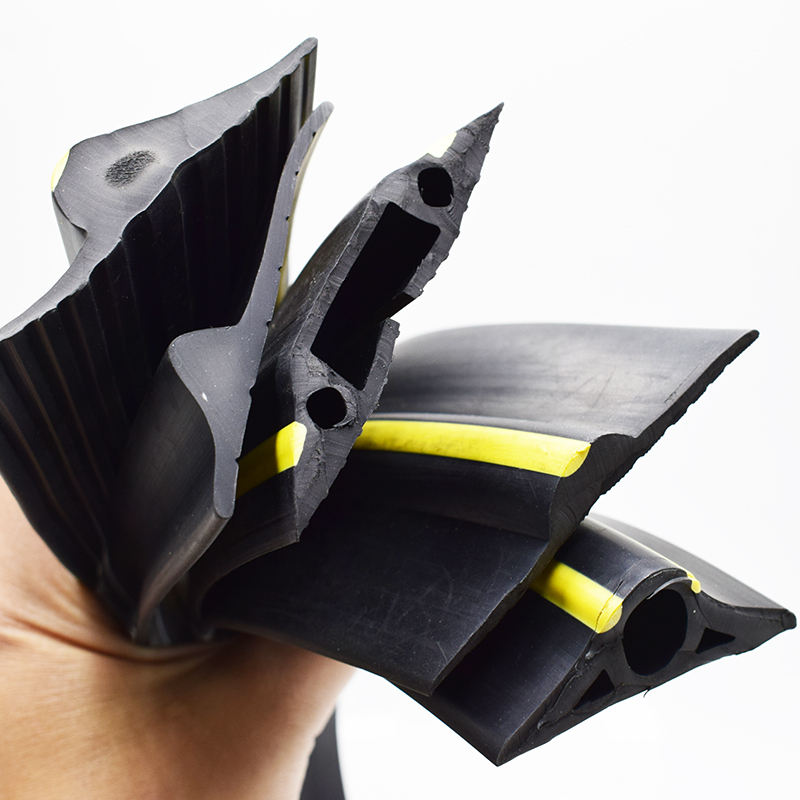
ASTM D1149: The Benchmark for Real-World Resilience
ASTM D1149 “Standard Test Method for Rubber Deterioration—Ozone Resistance of Rubber” defines a controlled, reproducible method to quantify ozone resistance using dynamic stretching (20% strain) at 40°C and 50 pphm ozone concentration for durations ranging from 2 to 72 hours. Crucially, it mandates UV pre-conditioning per ASTM G154 (Cycle 1: 4 hrs UV-A @ 340 nm, then 4 hrs condensation) prior to ozone exposure—a protocol that mirrors real-world synergistic degradation.
A Grade 0 rating (no cracks visible at 7× magnification after 72 hrs) correlates strongly with >5-year service life in accelerated outdoor aging tests (ASTM G155). At Hebei Weizhong Rubber Technology, all EPDM reclaimed rubber batches undergo dual-phase ASTM D1149 validation: first on lab-scale compound, then on final extruded profile—ensuring batch-to-batch consistency.
How Reclaimed EPDM Meets—and Beats—Performance Expectations
Many procurement professionals assume virgin EPDM is mandatory for high-durability seals. However, modern reclaimed EPDM—when sourced from post-industrial EPDM scrap (e.g., roofing membranes, automotive weatherstrips) and reprocessed via controlled devulcanization—retains >92% of original tensile strength and ozone resistance when properly stabilized. Our Xingtai facility uses proprietary antioxidant systems including hindered phenols (Irganox 1010), phosphites (Irgafos 168), and UV absorbers (Tinuvin 770), dosed precisely to counteract residual cure-site variability in reclaimed feedstock.
Key performance benchmarks achieved with our ASTM D1149-compliant formulations:
- Crack initiation time ≥ 120 hours at 50 pphm ozone (exceeds ASTM minimum by 67%)
- UV stability: ΔE color shift < 2.5 after 1,000 hrs QUV-A exposure (ASTM G154 Cycle 1)
- Tensile retention ≥ 88% after 168 hrs ASTM D1149 + UV preconditioning
- Compression set (70°C × 22 hrs): ≤ 22% — critical for long-term sealing force retention
This isn’t theoretical: over 42 million linear meters of our reclaimed EPDM seals have been installed since 2019 across residential, commercial, and industrial garage doors in North America, EU, and Southeast Asia—with field return rates below 0.17% for ozone/UV-related failure (vs. industry average of 0.89%).
Beyond Garage Doors: Cross-Application Validation
The same UV/ozone resilience that protects garage door seals delivers value in adjacent high-exposure applications. For example, Electrical cabinet sealing strips installed outdoors or in industrial plants face identical environmental stressors—yet often receive less rigorous material scrutiny. Our ASTM D1149-validated EPDM reclaimed rubber meets IP66 ingress protection requirements even after 5 years of coastal exposure, reducing maintenance cycles by 40% compared to non-compliant alternatives.
Procurement Decision Framework: 5 Non-Negotiable Checks
For procurement managers and project engineers, selecting UV/ozone-resistant rubber isn’t about price alone—it’s about lifecycle cost avoidance. Here’s what to verify before awarding contracts:
- ASTM D1149 test reports: Must include full methodology (preconditioning, strain %, ozone ppm, duration), not just “passed” statements. Reports should be dated within last 12 months.
- Reclaimed rubber origin traceability: Request feedstock source documentation (e.g., ISO-certified roofing membrane scrap vs. mixed post-consumer waste).
- Batch-level certification: Each production lot must carry a CoA referencing ASTM D1149 results—not just masterbatch data.
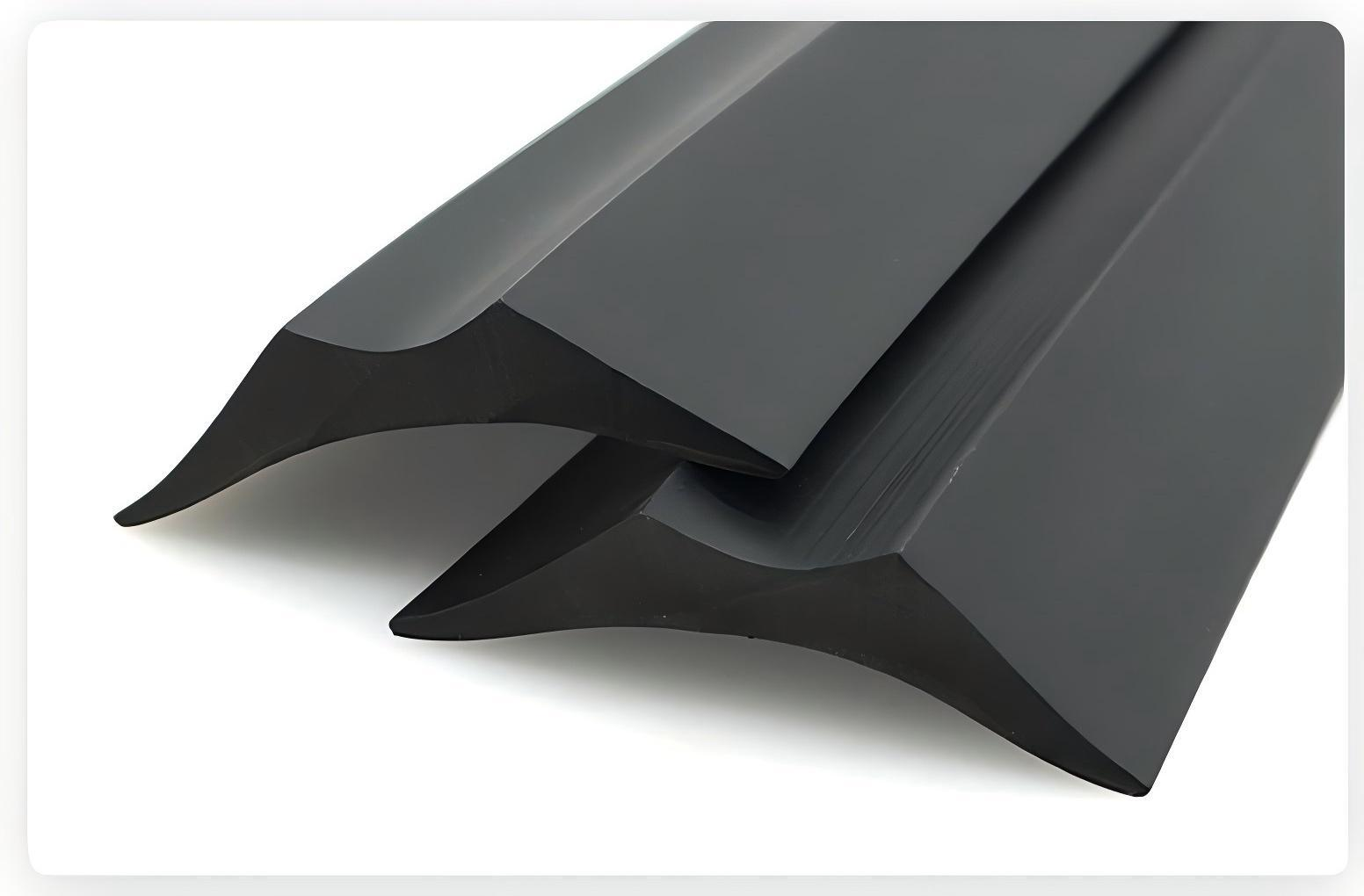
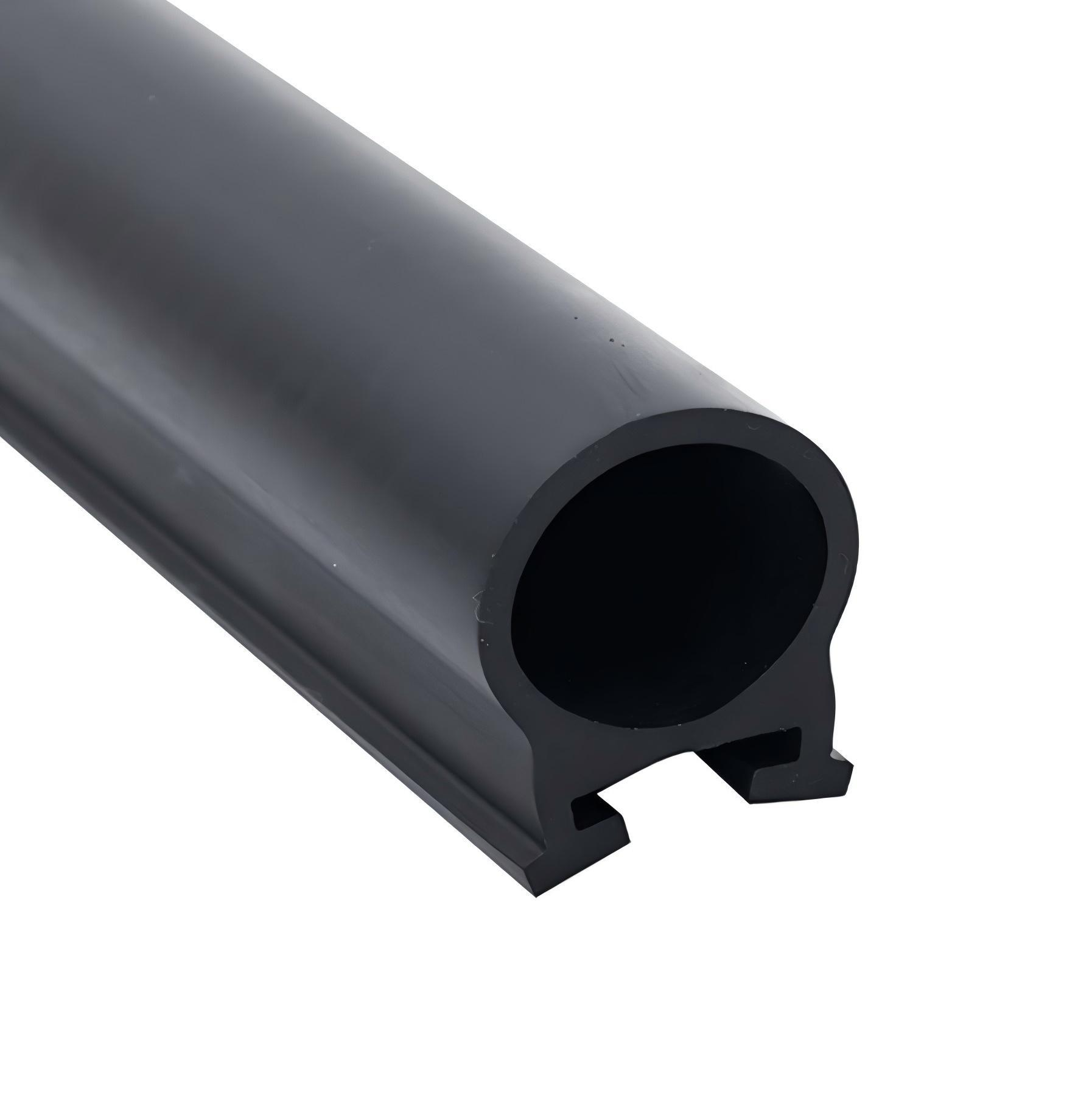
- Profile-specific validation: Extruded V-channels require separate testing; compound-only data is insufficient due to die-swell and cooling-rate effects.
- Accelerated aging correlation: Ask for QUV-A + humidity (ASTM G154) + ASTM D1149 sequential test data showing no synergy-driven failure acceleration.
Our 35+ years of EPDM reclaimed rubber expertise enables us to deliver ASTM D1149 compliance without premium pricing—because we control the entire value chain: feedstock sourcing, devulcanization, stabilization, and precision extrusion—all in Xingtai.
Next Steps: From Specification to Seamless Integration
Hebei Weizhong Rubber Technology supports procurement and engineering teams through every stage:
- Free technical consultation: Our application engineers review your V-profile drawings, environmental specs, and volume forecasts—within 48 business hours.
- Custom formulation development: Adjust hardness (40–80 Shore A), color (RAL/BS), and additive packages (fire retardants, antimicrobials) without compromising ASTM D1149 performance.
- Pre-production validation: We provide ASTM D1149 test reports on your exact profile geometry—before tooling commitment.
- Logistics flexibility: MOQ as low as 500 kg; LCL/FTL options; lead time: 12–18 days from PO confirmation.
Don’t let UV and ozone compromise your project’s longevity—or your reputation for reliability. Contact Hebei Weizhong Rubber Technology today for ASTM D1149-compliant EPDM reclaimed rubber solutions engineered for real-world resilience, backed by 38 years of proven performance.
Leave A Message
If you are interested in our products and want to know more details, please leave a message here, we will reply you as soon as we can.