




Choosing the right cold storage seals is critical for operational efficiency and cost savings in marine applications. This comparison examines which sealing materials deliver the best return on investment (ROI) for procurement professionals. As a trusted EPDM reclaimed rubber specialist since 1986, Hebei Weizhong Rubber Technology provides insights into durable, cost-effective solutions that withstand extreme temperatures while maintaining optimal performance.
Key Factors in Selecting Cold Storage Seals for Marine Use
When evaluating cold storage seals for marine environments, procurement teams must consider multiple performance indicators. Temperature resistance stands as the primary criterion, with materials needing to maintain flexibility between -40°C to +120°C. Compression set resistance directly impacts longevity, as inferior seals flatten permanently under constant pressure. Chemical compatibility with marine fuels, lubricants, and cleaning agents prevents premature degradation. The material's water absorption rate affects dimensional stability in humid conditions, while UV resistance becomes critical for exterior applications. Installation complexity and maintenance requirements also factor into total cost calculations over the product lifecycle.
Material Showdown: EPDM vs. Silicone vs. PVC
EPDM Reclaimed Rubber - The Cost-Effective Workhorse
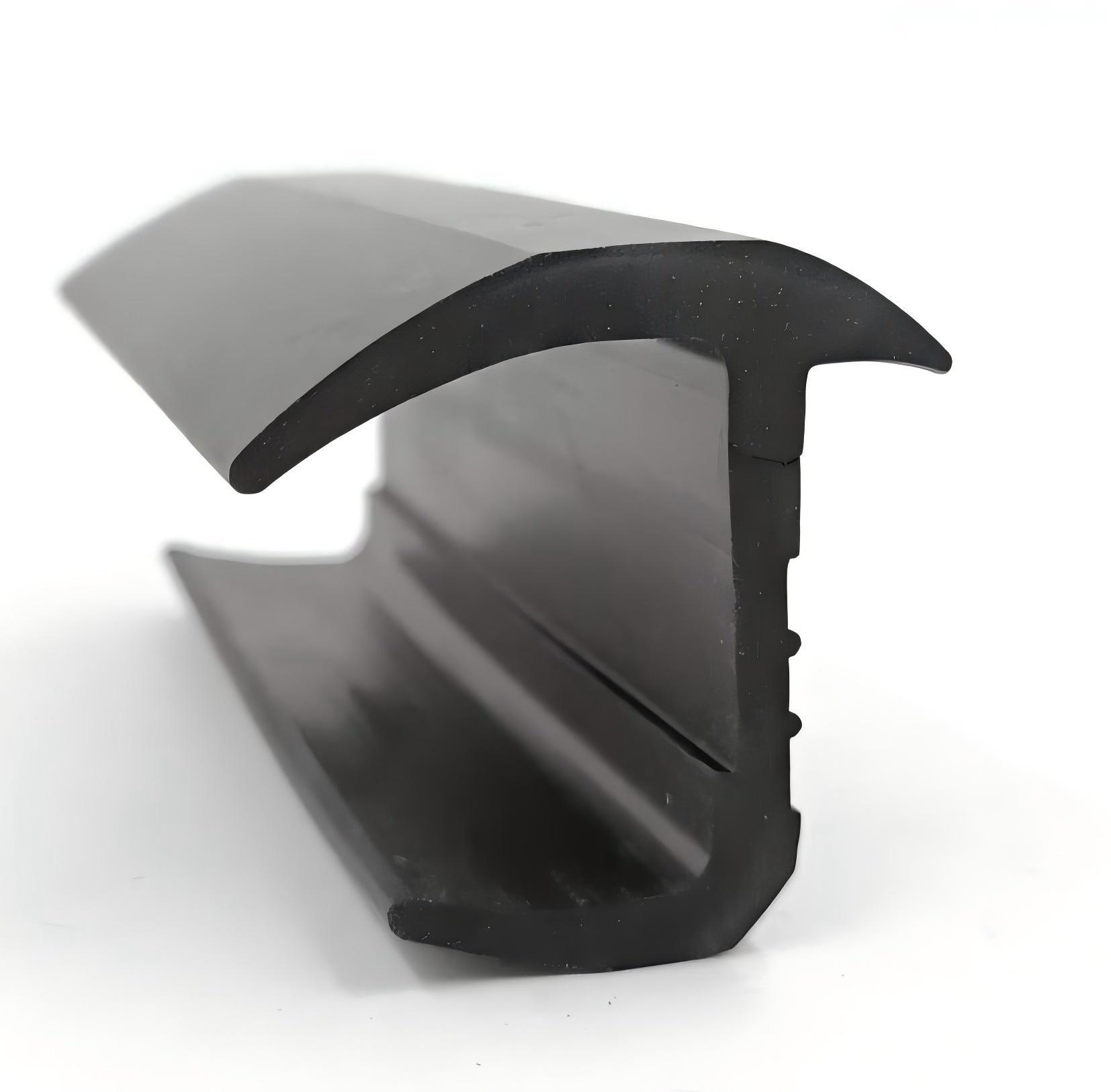
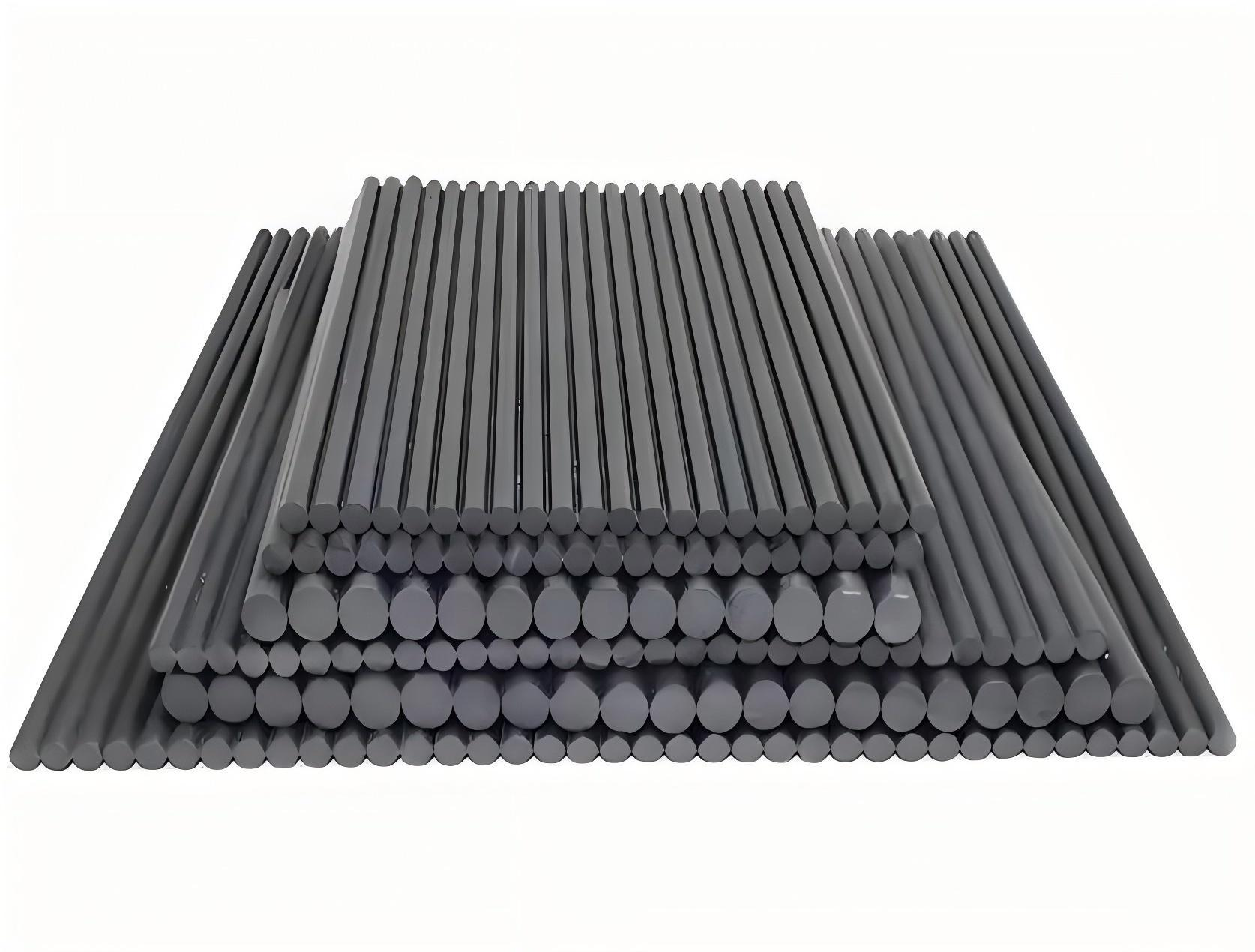
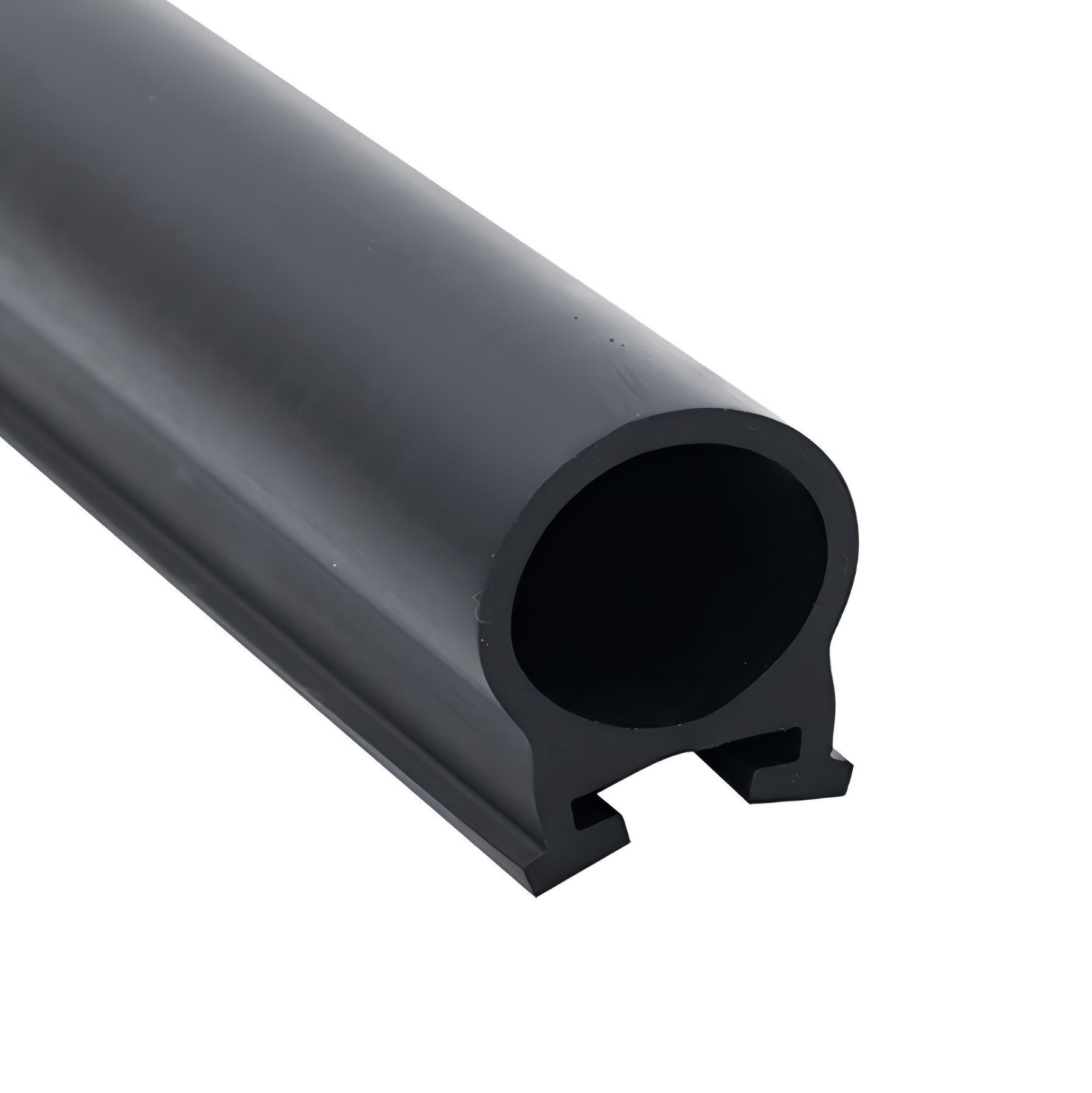
Our three decades of expertise at Hebei Weizhong Rubber Technology confirms EPDM reclaimed rubber as the optimal balance between performance and affordability. This material exhibits exceptional cold flexibility down to -50°C, outperforming standard rubber compounds. The closed-cell structure provides superior moisture resistance, crucial for marine refrigeration units. With proper formulation, our EPDM seals achieve 70-80% cost savings versus virgin rubber while meeting ISO 4637 standards for compression set. For applications requiring additional abrasion resistance, we recommend pairing with our PVC Rounded Chamfer Strip at transition points.
Silicone - Premium Performance at a Price
Silicone seals offer the widest temperature range (-60°C to +230°C) but come with 3-5x higher material costs. While their non-stick surface eases cleaning, silicone's lower tear strength necessitates more frequent replacement in high-movement applications. The material's gas permeability also makes it less ideal for vacuum-sealed cold storage compartments. Our analysis shows silicone delivers ROI only in extreme temperature scenarios exceeding EPDM's capabilities.
PVC - The Budget Option with Limitations
PVC compounds provide the lowest upfront cost but become brittle below -20°C, risking seal failure in subzero environments. Plasticizer migration causes hardening over time, typically limiting service life to 2-3 years in marine conditions. For non-critical applications with moderate temperature swings, our PVC Rounded Chamfer Strip can complement EPDM seals in secondary sealing layers.
ROI Calculation Methodology
We developed a proprietary ROI model comparing materials across five-year operational cycles:
The model accounts for refrigeration energy losses from imperfect seals, downtime costs during replacements, and disposal fees for worn materials. EPDM consistently delivers 20-30% better ROI than silicone in typical marine cold storage applications.
Installation Best Practices
Proper installation extends seal lifespan regardless of material choice. We recommend:
- Surface preparation to ISO 8501-1 Sa2.5 standard for steel substrates
- Applying primer specifically formulated for cold temperature adhesives
- Maintaining 15-25% compression during installation
- Using continuous runs rather than spliced segments
- Conducting leak tests at both ambient and operating temperatures
Conclusion: Optimizing Your Cold Storage Seal Strategy
For marine procurement specialists, EPDM reclaimed rubber emerges as the clear ROI leader for most cold storage applications. Hebei Weizhong Rubber Technology's customized formulations address specific challenges like saltwater exposure and mechanical vibration. Our vertically integrated production ensures consistent quality from raw material to finished seal, backed by 36 years of marine industry experience. Contact our technical team today for a free assessment of your sealing requirements and discover how our solutions can reduce your total cost of ownership by up to 40%.
Leave A Message
If you are interested in our products and want to know more details, please leave a message here, we will reply you as soon as we can.