




Aluminum-plastic sealing is crucial for marine components, yet common issues like leakage, material degradation, and poor adhesion often arise. As a trusted rubber solutions provider since 1986, Hebei Weizhong Rubber Technology understands these challenges. This guide explores frequent aluminum-plastic sealing problems in ship fittings and offers practical fixes to ensure durability and performance. Discover how proper material selection and application techniques can optimize your marine procurement decisions.
Common Aluminum-Plastic Sealing Issues in Marine Applications
Aluminum-plastic sealing systems are widely used in marine environments due to their excellent corrosion resistance and durability. However, several issues can compromise their effectiveness over time. One of the most prevalent problems is leakage, which often occurs at joints or seams where the sealant has failed to maintain a tight bond. This can lead to water ingress, corrosion of underlying metal components, and ultimately, structural damage. Another frequent issue is material degradation caused by prolonged exposure to saltwater, UV radiation, and extreme temperature fluctuations. The sealant may become brittle, crack, or lose its adhesive properties, resulting in compromised performance. Poor adhesion is another common challenge, particularly when the sealing material is not properly compatible with the substrates or when surface preparation is inadequate. Additionally, improper installation techniques, such as insufficient curing time or incorrect application thickness, can significantly reduce the lifespan of aluminum-plastic seals in marine environments.
Material Degradation: Causes and Prevention
Material degradation in aluminum-plastic sealing systems is a major concern for marine applications. The harsh marine environment presents unique challenges that can accelerate the breakdown of sealing materials. Saltwater exposure is particularly damaging, as it can cause corrosion of the aluminum components and chemical breakdown of the plastic elements. UV radiation from sunlight can lead to photo-oxidation of the plastic components, making them brittle and prone to cracking. Temperature variations between day and night, as well as seasonal changes, cause expansion and contraction that can weaken the seal over time. To prevent these issues, it's crucial to select materials specifically designed for marine use, such as high-quality EPDM rubber compounds that offer superior resistance to environmental factors. Regular maintenance and inspection schedules should be implemented to detect early signs of degradation. Protective coatings or coverings can be applied to shield the seals from direct sunlight and salt spray. For critical applications, consider using specialized marine-grade aluminum-plastic sealing systems that incorporate UV stabilizers and corrosion inhibitors in their formulation.
Effective Solutions for Aluminum-Plastic Sealing Problems
Addressing aluminum-plastic sealing issues in marine applications requires a comprehensive approach that considers material selection, installation techniques, and ongoing maintenance. For leakage problems, the first step is to thoroughly clean and dry the affected area before applying a high-performance marine sealant. When dealing with material degradation, replacement with more durable materials is often the best solution. EPDM-based sealants, for example, offer excellent resistance to saltwater, UV radiation, and temperature extremes. For adhesion problems, proper surface preparation is essential - this includes thorough cleaning, degreasing, and possibly light abrasion to create an optimal bonding surface. In some cases, using a primer specifically designed for aluminum-plastic interfaces can significantly improve adhesion. Installation techniques should follow manufacturer specifications precisely, paying particular attention to recommended application thickness, curing times, and environmental conditions during installation. For ongoing protection, consider applying a protective coating or sealant preservative that can extend the life of the aluminum-plastic sealing system. Regular inspections should be conducted to identify and address minor issues before they develop into major problems.
Best Practices for Installation and Maintenance
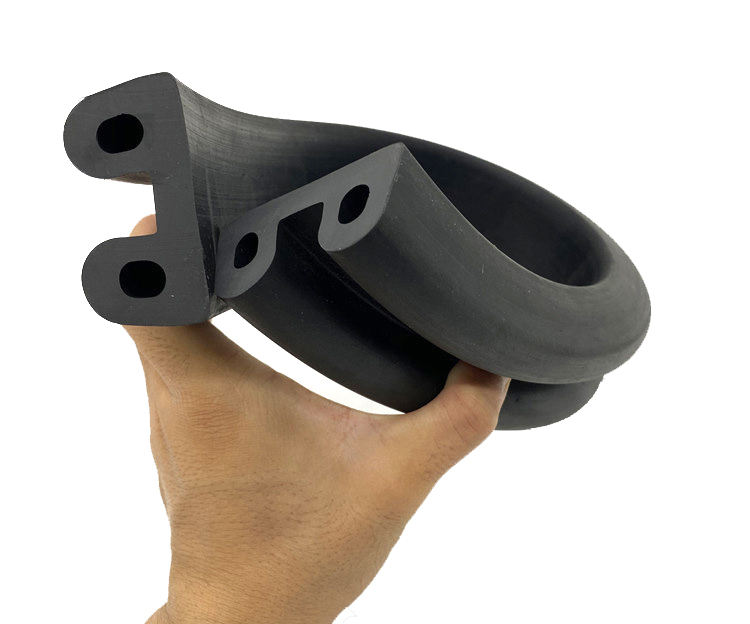
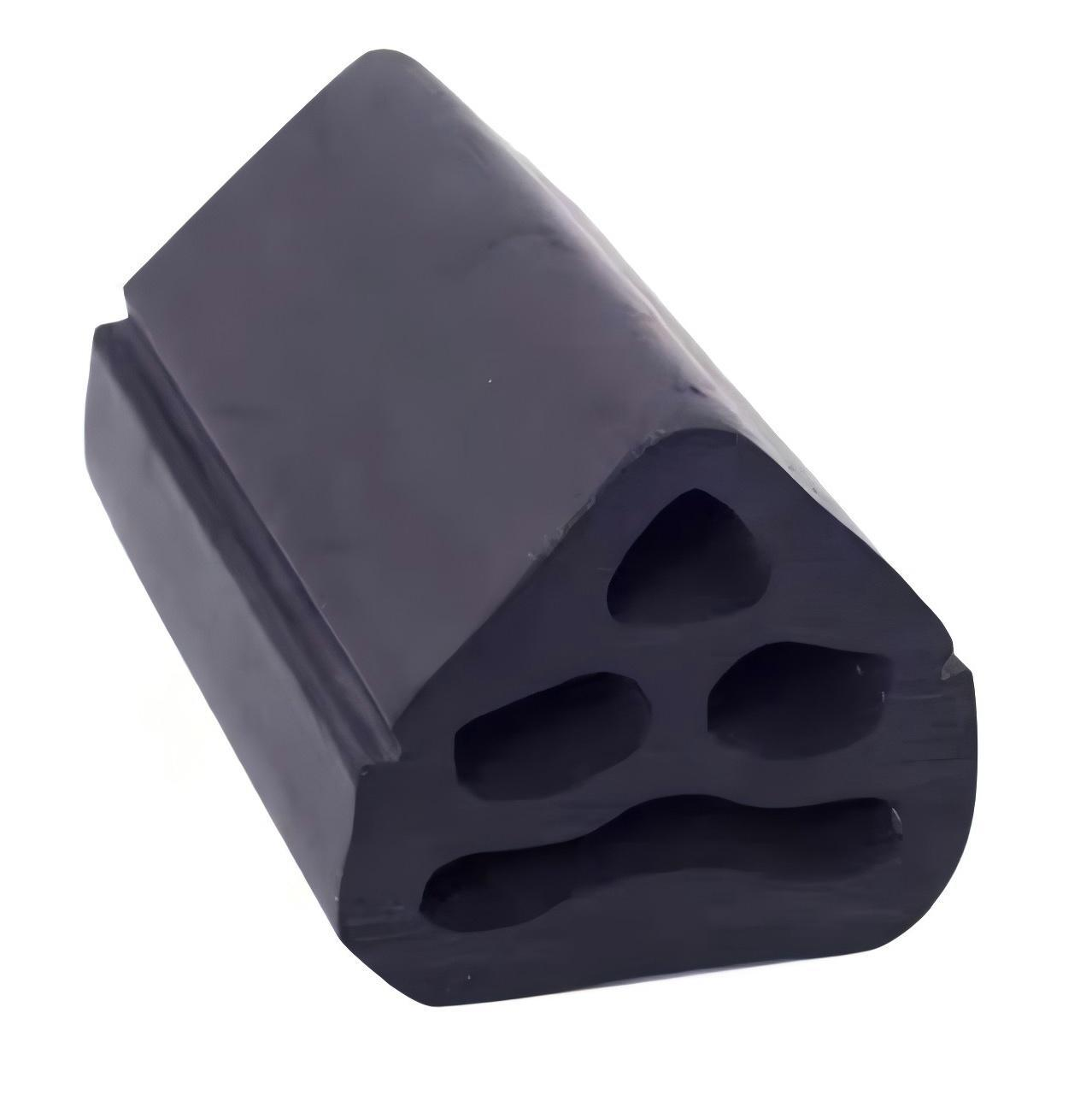
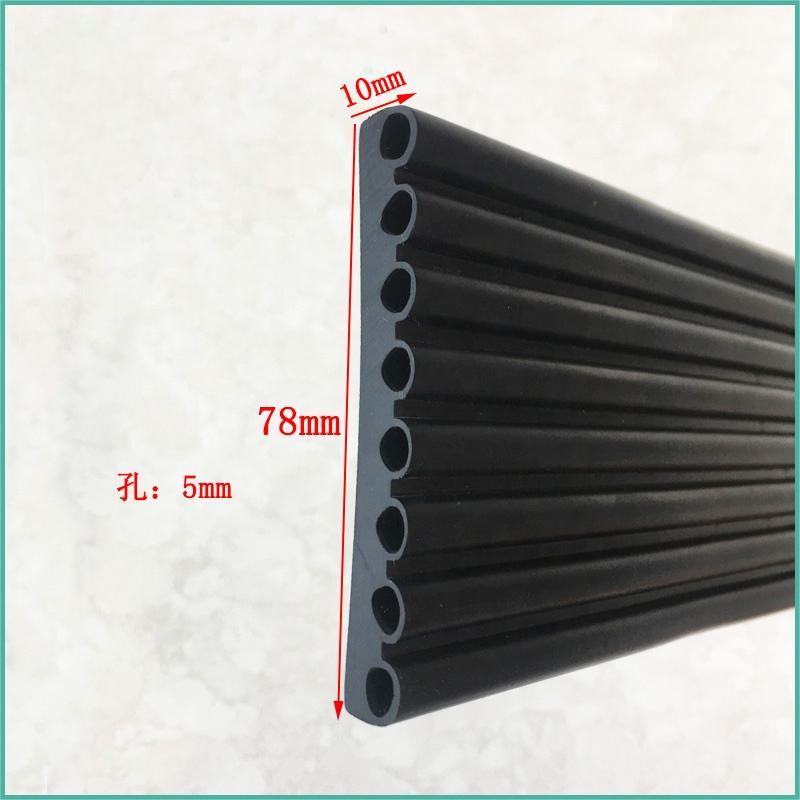
Proper installation and maintenance are critical for ensuring the long-term performance of aluminum-plastic sealing systems in marine environments. Before installation, all surfaces should be thoroughly cleaned and prepared according to manufacturer specifications. This typically involves removing all contaminants, oils, and oxidation products from the aluminum surfaces. The plastic components should be inspected for any manufacturing defects or damage. During installation, it's important to maintain the recommended environmental conditions - temperature and humidity can significantly affect the curing process of many sealants. Application thickness should be carefully controlled, as both insufficient and excessive material can lead to performance issues. For maintenance, establish a regular inspection schedule that includes visual checks for signs of cracking, peeling, or other forms of degradation. Pay special attention to high-stress areas and joints where failures are most likely to occur. Cleaning should be performed using mild, non-abrasive cleaners that won't damage the sealing materials. When replacement is necessary, consider upgrading to more advanced materials like our Wooden Door Slot Sealing Strips which incorporate enhanced durability features specifically for marine applications. Document all maintenance activities to help identify patterns or recurring issues that may indicate systemic problems.
Material Selection for Marine Aluminum-Plastic Sealing
Choosing the right materials is paramount for successful aluminum-plastic sealing in marine environments. The ideal sealing material should possess several key characteristics: excellent adhesion to both aluminum and plastic substrates, resistance to saltwater corrosion, UV stability, and flexibility to accommodate thermal expansion and contraction. EPDM (Ethylene Propylene Diene Monomer) rubber is often the material of choice for marine applications due to its outstanding weather resistance and durability. Silicone-based sealants also perform well in marine environments, offering good UV resistance and flexibility. When selecting a sealant, consider factors such as expected service life, exposure conditions, and mechanical stresses the seal will encounter. For applications requiring particularly high durability, specialized hybrid sealants that combine the best properties of different material types may be appropriate. It's also important to consider the compatibility of the sealant with any coatings or treatments applied to the aluminum components. Some sealants may require specific surface preparations or primers to achieve optimal adhesion. Always consult with material specialists or manufacturers to ensure the selected products are appropriate for your specific marine application and environmental conditions.
Innovations in Marine Sealing Technology
The marine industry has seen significant advancements in aluminum-plastic sealing technology in recent years. New formulations of sealants and gaskets now offer improved resistance to extreme marine conditions while maintaining flexibility and adhesion properties. Nanotechnology has been applied to create sealants with enhanced barrier properties that can better prevent moisture and salt penetration. Self-healing materials are being developed that can automatically repair minor cracks or damage, potentially extending service life significantly. Another innovation is the development of smart sealants that can change color or provide other visual indicators when they begin to degrade or lose effectiveness. Environmentally friendly formulations are also gaining popularity, reducing the ecological impact of maintenance and replacement activities. For applications requiring exceptional durability, consider solutions like our Wooden Door Slot Sealing Strips which incorporate these advanced technologies. These innovations are particularly valuable for marine applications where access for maintenance may be difficult or costly, making long-term reliability especially important. When evaluating new sealing technologies, consider conducting small-scale trials or tests under realistic conditions before full-scale implementation.
Ensuring Long-Term Performance of Marine Sealing Systems
Aluminum-plastic sealing systems play a critical role in protecting marine components from the harsh marine environment. By understanding common issues such as leakage, material degradation, and poor adhesion, marine procurement professionals can make more informed decisions about material selection and maintenance practices. Implementing proper installation techniques, selecting high-quality materials specifically designed for marine applications, and establishing regular inspection and maintenance routines are all essential for maximizing the performance and lifespan of these sealing systems. As a leading provider of rubber solutions since 1986, Hebei Weizhong Rubber Technology offers specialized expertise in marine sealing applications. Our team can help you select the most appropriate materials for your specific requirements and provide guidance on installation and maintenance best practices. For professional advice on optimizing your marine sealing systems or to learn more about our advanced sealing solutions, contact our experts today. Let us help you protect your marine assets with durable, reliable sealing solutions that stand up to the toughest marine conditions.
Ready to upgrade your marine sealing systems? Contact Hebei Weizhong Rubber Technology today for expert advice and high-performance sealing solutions tailored to your specific needs. Our team of specialists is available to discuss your requirements and recommend the most effective products for your marine applications. Call us now or visit our website to learn more about our comprehensive range of marine-grade sealing materials and solutions.
Leave A Message
If you are interested in our products and want to know more details, please leave a message here, we will reply you as soon as we can.